
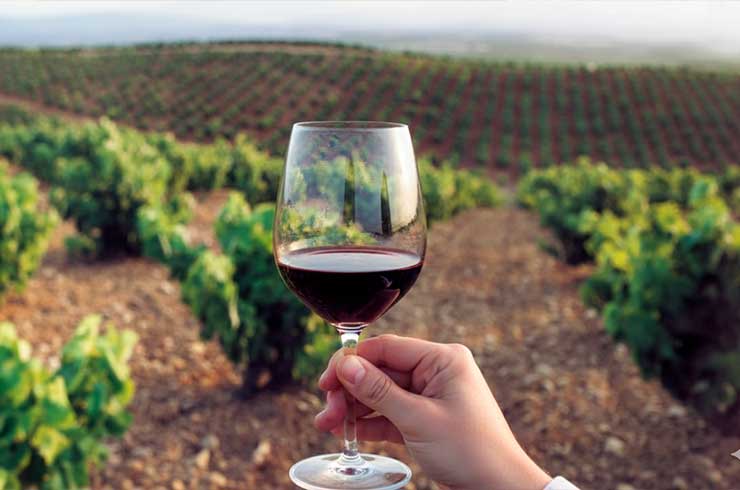
Just a few kilometers from Zaragoza lies D.O. Cariñena, one of Spain’s most historic wine regions.
Its landscape of ancient vineyards, stony soils, and villages steeped in winemaking tradition for centuries offers an authentic experience for those seeking to understand Aragon’s wine character beyond the city.
D.O. Cariñena stands out for the personality of its wines, the strength of its Garnacha, and the coexistence of traditional wineries with contemporary projects.
It is a region where old vines, a continental climate, and unique terrain combine with new ways of interpreting wine, always maintaining a strong connection to its origins.
In the following lines, we’ll explore its history, wine culture, and the key elements that make this area a benchmark in Aragon.
We’ll also see why discovering the Cariñena Wine Route from Zaragoza, on a half-day getaway, is an accessible and engaging way to delve into one of the most representative wine landscapes in northeastern Spain.
🍷 Want to expand your trip?
Check out our
10 things to do in Calatayud — a complete guide to enjoy this historic town near Cariñena.
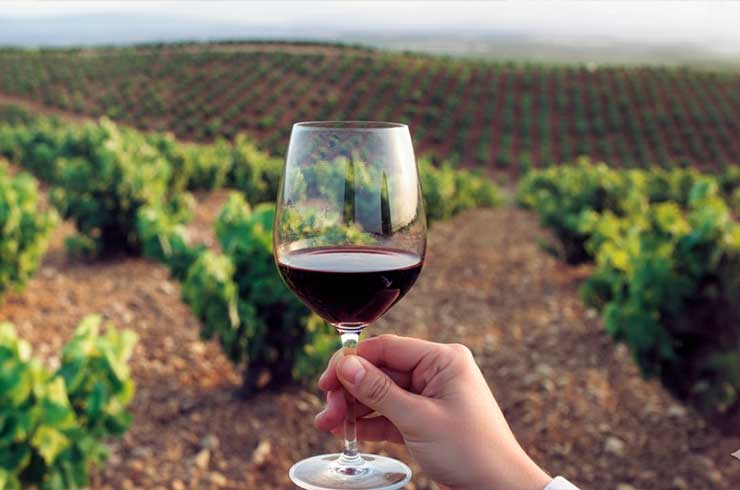
vineyards-and-carinena-in-the-background.jpg” alt=”vineyards and carinena in the background” width=”740″ height=”490″ />
D.O. Cariñena in the Context of Aragonese Wine
A Key Territory in Aragon’s Winemaking Tradition
Aragon boasts remarkable winemaking diversity, and within it, D.O. Cariñena holds a particularly significant place.
Its history, size, and ability to blend tradition with evolution make it one of the cornerstones of Aragonese wine, both in terms of production volume and distinctive identity.
For decades, this designation has been a driving force behind the region’s viticultural development, fostering cooperative projects, family-run wineries, and new initiatives that enrich the regional landscape.
A Designation with a Distinct Identity
Unlike other Aragonese wine areas known for higher altitudes or specific grape varieties, Cariñena stands out for its balance of diverse soils, historical tradition, and a strong identity rooted in Garnacha and Cariñena grapes.
This unique character has enabled the region’s wines to evolve from more classic styles to contemporary offerings focused on freshness, terroir expression, and the revival of old vineyards.
Planning a visit to Cariñena? Check out our
Half-day Cariñena Wine Tour from Zaragoza,
a convenient option for discovering the region without worrying about transport or logistics.
A Starting Point for Discovering Aragonese Wine
Within the broader landscape of Aragonese wine, D.O. Cariñena also serves as an ideal gateway for those looking to explore the region’s wine culture.
Its proximity to Zaragoza, enotourism offerings, and variety of visitable projects make it an accessible destination that showcases both the past and present of Aragonese wine.
For travelers interested in discovering the landscape, gastronomy, and local traditions, this region offers a complete and representative insight into
🌄 Looking for nature and mountains?
Don’t miss our post on
Ordesa and Monte Perdido National Park — a perfect nature escape from Cariñena.
Aragon’s winemaking identity.
What is the Cariñena Designation of Origin?
The Cariñena Designation of Origin is one of the oldest wine-producing areas on the Iberian Peninsula, officially recognized since 1932.
Its identity is shaped by a landscape of historic vineyards, a continental climate marked by contrasts, and a winemaking tradition that has evolved without losing its essence.
Understanding this designation means looking into its past, its land, and how the vine is cultivated today.
🏘️ Love charming villages?
Take a look at
What to do in Albarracín — a gem not far from Cariñena that blends history and nature beautifully.
sign-carinena-vineyards-designation-of-origin.jpg” alt=”sign carinena vineyards designation of origin” width=”740″ height=”490″ />
History and Origins
Viticulture in this area dates back to Roman times, when wines were already being produced for both local consumption and trade.
During the Middle Ages, religious orders and local municipalities strengthened agricultural organization, and vineyards became increasingly important in the economy and daily life of the villages.
Over time, the quality of its red wines—mainly made from Garnacha and the variety that lent its name to the region, Cariñena or Mazuelo—helped solidify its reputation.
In 1932, Cariñena became one of the first Spanish regions to gain official recognition as a Designation of Origin.
Since then, its history has been marked by the coexistence of family-run wineries, cooperatives, and more recent projects
—all united by the same land and a shared goal of preserving and promoting the character of their wines.
Territory, Climate, and Grape Varieties
The D.O. Cariñena is located southwest of Zaragoza, in a natural corridor between the Iberian Mountain Range and the Ebro Valley.
The soils are highly diverse, though stony terrains—popularly known as “piedra lajera”—are especially notable.
These provide excellent drainage and force vines to dig deep for water and nutrients, resulting in grapes with great concentration.
The climate is continental, with cold winters, hot summers, and significant temperature shifts between day and night.
These conditions allow for a slow ripening process that helps
🏛️ Interested in culture and heritage?
Explore
What to do in Teruel — a city that combines art, history and traditions near Cariñena.
retain acidity and develop complex aromas.
Planning a visit to Cariñena? Check out our
Half-day Cariñena Wine Tour from Zaragoza,
a convenient option for discovering the region without worrying about transport or logistics.
Among the red varieties, Garnacha, Tempranillo, and Cariñena dominate; while for whites, Macabeo, Garnacha Blanca, and other varieties suited to the altitude and thermal amplitude of the region are prominent.
For those looking to explore the more technical aspects of this Protected Designation of Origin, there are official resources that detail its authorized grape varieties, territory characteristics, and current regulations.
This information enhances the experience for visitors who want to go beyond tasting and understand the framework that upholds the identity of D.O. Cariñena.
🏰 Love medieval castles?
Discover
Castle Loarre Visit — a fortress full of history, just a short ride away.
stony-soil-do-carinena-rutica-41.jpg” alt=”stony soil do carinena rutica 41″ width=”740″ height=”490″ />
Viticulture Today in the D.O.
Modern viticulture in D.O. Cariñena blends the legacy of bush-trained vines
— many of them decades old
— with new plantings focused on sustainability and more efficient water use.
In recent years, several wineries have chosen to work at higher altitudes, seeking cooler nights and harvests that help preserve the wines’ freshness.
In the field, practices that care for the soil are applied, yields are controlled, and attention is paid to vine balance, all aiming for grapes that truly express the character of the land.
For those wanting to delve into the general foundations of viticulture, there is accessible information about viticulture that helps contextualize the techniques and concepts adapted in Cariñena to a continental climate and very specific soils.
The result is a diverse range of wines: structured reds, expressive Garnachas, fresh whites, and rosés with character.
Garnacha and Cariñena: The Two Varieties That Define D.O. Cariñena
Garnacha: Expression of the Land
Garnacha is probably the most representative grape variety of D.O. Cariñena.
Adapted for centuries to the dry climate and wide temperature swings, it produces wines with clear fruit, good structure, and a natural balance between freshness and ripeness.
Its old vines, many of them bush-trained and located in higher-altitude areas, yield moderate quantities of grapes with notable aromatic concentration.
The result is warm yet elegant wines, capable of conveying the identity of the surrounding landscape.
As wineries have experimented with new winemaking techniques, Garnacha has gained prominence in fresher, more expressive styles, maintaining its traditional character while adapting to contemporary tastes.
Planning a visit to Cariñena? Check out our
Half-day Cariñena Wine Tour from Zaragoza,
a convenient option for discovering the region without worrying about transport or logistics.
This has made it one of the most valued varieties among those seeking vibrant, authentic wines with good aging potential.
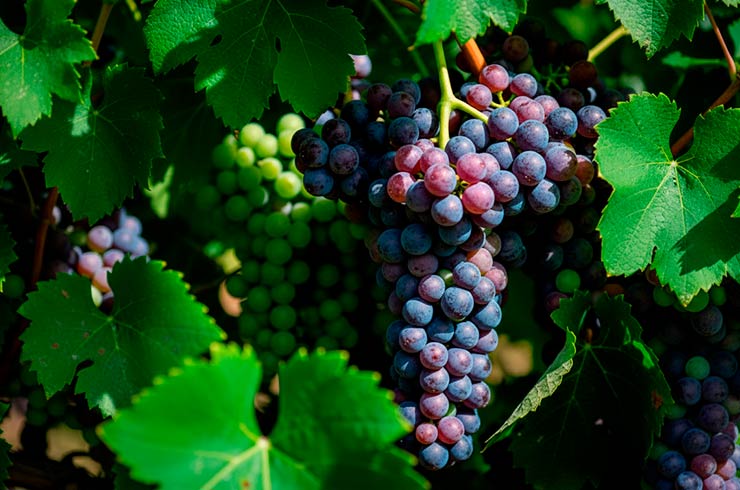
Cariñena or Mazuelo: Character and Structure
Cariñena, known in some areas as Mazuelo, is the variety that gives the designation its name and offers a different profile: more serious, deep, and structured.
It is characterized by its natural acidity and a balance that allows for the production of full-bodied wines with excellent aging capacity.
In its single-varietal form, it offers notes of ripe fruit, mineral nuances, and an intensity that faithfully reflects the harsh beauty of the continental landscape.
Its adaptability to poor, stony soils and its ability to retain freshness even in warm years make it highly appreciated by those seeking solid, characterful wines.
In the region, it remains a key grape both in traditional blends and in projects aimed at highlighting its distinctive personality.
The Balance Between the Two Varieties
The coexistence of Garnacha and Cariñena is one of the defining features of D.O. Cariñena. While Garnacha brings fruit, breadth, and silkiness, Cariñena adds structure, freshness, and depth.
This balance allows wineries to create complete and expressive wines that reflect the region’s div
Why Discover D.O. Cariñena from Zaragoza?
Exploring D.O. Cariñena from Zaragoza is one of the most accessible ways to approach Aragon’s wine heritage.
In just forty minutes, the urban landscape gives way to a setting where vineyards, quiet villages, and winemaking history define the region’s identity.
For those seeking a nearby, cultural experience well connected to the city, this short getaway offers a perfect opportunity.
Planning a visit to Cariñena? Check out our
Half-day Cariñena Wine Tour from Zaragoza,
a convenient option for discovering the region without worrying about transport or logistics.
Convenience and Proximity from Zaragoza
The strategic location of the designation allows for a refreshing change of pace without spending too much time on travel.
The route follows well-connected roads that pass through agricultural landscapes before reaching the first vineyard areas.
This direct access makes it an ideal destination for a different kind of morning—perfect for both visitors and locals looking to disconnect without going far.
Its proximity also allows the focus to remain on the experience itself: the territory’s history, the landscape, and the unique qualities of its wines.
This balance between accessibility and enological depth is one of the reasons why D.O. Cariñena has become a particularly attractive wine tourism getaway from Zaragoza.
Visit to Two Working Wineries
Getting to know D.O. Cariñena means immersing yourself in the daily life of its wineries.
Visiting two different projects allows for a comparison of styles, techniques, and philosophies: from traditional estates with historic aging cellars to modern facilities focused on innovation.
This diversity helps visitors understand the evolution of the area and the distinctiveness of each wine.
A guided Cariñena wine tasting allows guests to appreciate how soil type, altitude, or vine age influence the final product.
With each explanation, one better understands the nuances that define the structured reds, expressive Garnachas, or fresh and balanced whites that are part of the region’s identity.
Expert Guidance and Hassle-Free Transportation
Another aspect that makes the visit appealing is the peace of mind that comes from having expert guidance throughout the experience.
Someone who knows the local history, the characteristics of D.O. Cariñena, and each winery’s connection to the land enriches the tour—especially for those looking to dive deeper into cultural and enological aspects.
Additionally, having organized transportation means you don’t have to worry about driving, navigating through vineyards, or coordinating schedules, which is especially helpful for fully enjoying the tastings.
For those wanting to explore the area without worrying about routes or timing, we offer a half-day wine tour from Zaragoza—an easy and comfortable way to visit two representative wineries of D.O. Cariñena and enjoy the region with peace of mind.
What the Experience Includes and What You’ll Discover During the Visit
Discovering the origin of the D.O. Cariñena goes beyond touring wineries.
The experience blends learning, landscape, and wine culture in a comfortable format that allows visitors to immerse themselves in the region’s identity at a relaxed pace.
Those who choose a Cariñena wine tour from Zaragoza often value this balance between comfort and cultural content, as every part of the journey—from transportation to tastings—is designed to offer a comprehensive view of the local wine world.
Planning a visit to Cariñena? Check out our
Half-day Cariñena Wine Tour from Zaragoza,
a convenient option for discovering the region without worrying about transport or logistics.
Round-trip Transportation: A Worry-Free Start
One of the most appreciated aspects is the convenience of transportation.
The journey from Zaragoza unfolds through a landscape that offers a preview of what’s to come: open fields, changing terrain, and the first vineyards signaling arrival in wine country.
Starting and ending at your accommodation means you can fully enjoy the surroundings without concerns about timing or extra travel arrangements.
Arriving stress-free allows for a deeper appreciation of every detail.
For many travelers, leaving the city behind and entering a rural setting rooted in wine culture is already a first step toward connecting with the essence of the region.
It’s no surprise that many opt for a half-day excursion to D.O. Cariñena—a practical way to explore the area without dealing with logistics, accompanied by a knowledgeable guide throughout the experience.
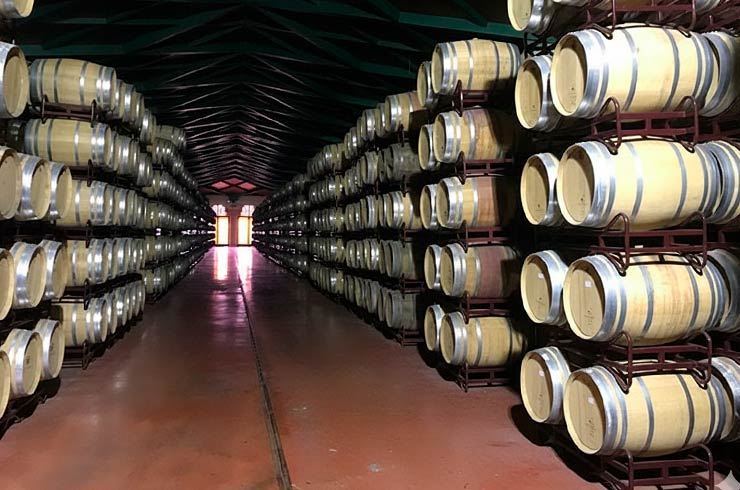
Guided Tours of Representative Wineries
Winery visits are the core of the experience.
Each project offers a different perspective: modern facilities with visible fermentation rooms, traditional cellars with historic tanks, or family-run estates where wine heritage is passed down through generations.
This contrast helps visitors grasp the internal diversity of the designation.
During the tour, guests observe the winemaking process: grape reception, fermentation, barrel aging, and various vinification techniques.
Guided tastings allow comparison of styles and help understand how factors like altitude or stony soils influence the wines’ aromatic profiles and structure.
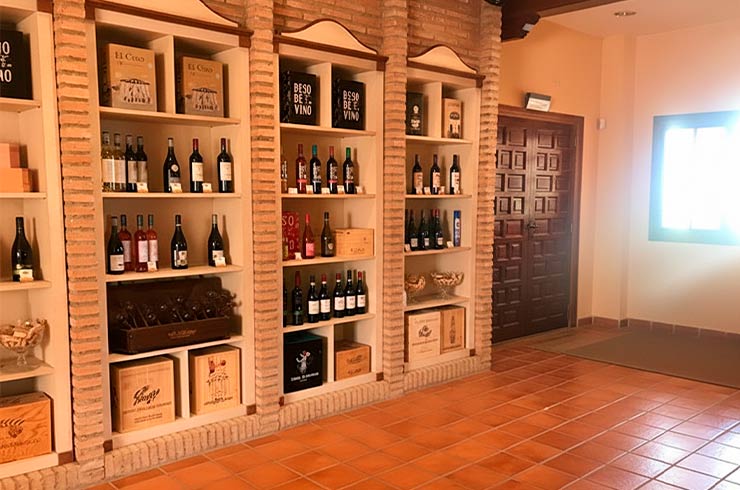
Wine Tastings: A Sensory Connection to the Land
Tasting is the moment when explanations become sensations.
Garnachas reveal their balance of fruit and freshness; Cariñena wines reflect structure and character; and traditional whites offer softness and vibrancy.
Commentary from winery professionals helps link each nuance to specific aspects of the vineyard and winemaking process, deepening the understanding of the region.
What to See and Do Around D.O. Cariñena Beyond Wine
While D.O. Cariñena is primarily known for its winemaking tradition, the region offers much more to visitors.
Its villages, landscapes, and cultural heritage round out an experience that invites exploration from a broad and relaxed perspective.
This means that even those not familiar with the world of wine will find reasons to enjoy the surroundings.
Vineyard Landscapes and Villages
The landscape is one of the area’s most distinctive features.
Vineyards stretch across gentle hills, elevated zones, and traditional farmlands, forming a mosaic that changes with the seasons.
In spring, vibrant greens announce the start of a new growing cycle; in summer, the vines reach peak vitality; and in autumn, ochre and red hues create scenes especially appealing to photography lovers and those who enjoy slow travel.
The villages within the designation maintain a rural, peaceful character.
Cariñena, the town that gives its name to the D.O., blends historic wineries with small squares and streets that reflect its strong ties to wine.
Planning a visit to Cariñena? Check out our
Half-day Cariñena Wine Tour from Zaragoza,
a convenient option for discovering the region without worrying about transport or logistics.
Aguarón, Almonacid de la Sierra, and Longares offer another perspective of the region—one marked by a slower pace of life, traditional homes, and an atmosphere that preserves the agricultural and cultural identity of the area.
Local Gastronomy That Complements the Region
Gastronomy is another highlight of the visit.
Aragonese cuisine has a unique character in this area, based on local products and traditional recipes that have accompanied wine for generations.
Dishes like roast lamb (ternasco), migas, game stews, and seasonal vegetables pair naturally with the region’s wines, creating combinations that reflect the area’s identity.
In addition to these iconic dishes, visitors can also discover artisanal products such as local olive oils, cured meats, cheeses, and traditional pastries.
These items, together with D.O. Cariñena Wines, allow guests to enjoy an authentic gastronomy that showcases the close relationship between agriculture, landscape, and culinary culture.
Pairings and Cuisine that Engage with Local Wines
In recent years, several local restaurants have begun offering specific pairings that highlight Garnacha and Cariñena wines.
These pairings help better understand the qualities of each variety: Garnacha’s fruit-forward richness versus Cariñena’s structure and natural freshness.
Contemporary proposals that emphasize local ingredients coexist with traditional recipes, offering visitors balanced and regionally representative dining options.
For those seeking a fuller experience, setting aside time for a relaxed meal in the area is an ideal way to end the visit.
In this way, gastronomy becomes the perfect complement to the journey, allowing visitors to discover the region not only through its wines but also through the flavors and products that form part of its cultural identity.
Wine Culture and Heritage
The cultural heritage of D.O. Cariñena is deeply intertwined with wine.
In several towns, you’ll find preserved underground cellars, historic cooperatives, and buildings linked to winemaking activities that reveal how the region has developed over the centuries.
While some of these structures aren’t regularly open to the public, their presence is a reminder of how vital viticulture has been to the area’s economic and social life.
Additionally, the region hosts events related to wine and local traditions, especially during harvest time or town festivals.
These celebrations highlight the cultural and communal dimension of the territory, offering a closer look at its identity.
Even outside these festive periods, the peaceful village atmosphere and local hospitality ensure an authentic experience year-round.
Practical Tips for Your Visit to D.O. Cariñena
Planning a getaway to D.O. Cariñena is simple, though paying attention to certain details can greatly enhance the experience.
Choosing the right time of year, dressing appropriately, and organizing your schedule are key to enjoying the region more comfortably.
These tips summarize the most important points for preparing a pleasant visit that aligns with the area’s relaxed pace.
Planning a visit to Cariñena? Check out our
Half-day Cariñena Wine Tour from Zaragoza,
a convenient option for discovering the region without worrying about transport or logistics.
Best Time to Visit
The region can be visited year-round, but each season offers specific highlights worth considering.
Autumn is one of the most recommended times: the vineyards change color and the atmosphere invites unhurried exploration.
Spring, with mild temperatures and the landscape in full activity, is equally attractive. In summer, although the heat can be intense, tastings are held in cool spaces and the bright light enhances the scenery.
In winter, the calm allows for a more intimate experience indoors and during guided tours.
Clothing, Footwear, and Weather Recommendations
The area’s continental climate brings significant temperature changes between day and night.
It’s advisable to wear light layers that can be adjusted throughout the day.
In autumn and winter, a jacket or windbreaker can be helpful, while in spring and summer, sun protection and water are recommended, especially for any outdoor walks.
In all cases, comfortable closed footwear is the best choice for visiting wineries and walking through their facilities.
Time Management and Visit Pace
Winery tours are usually held at specific times and, during peak seasons, booking in advance may be necessary.
Planning your schedule ensures you can fully enjoy each explanation and tasting without rushing.
If your plan includes exploring the local gastronomy, it’s a good idea to schedule a meal in the area to round out the experience in a balanced way.
Transport and Accessibility
Access from Zaragoza is straightforward and well-connected, making it easy to plan a short trip without hassle.
However, for those who prefer not to drive after tastings or avoid dealing with logistics, an organized transportation service or guided tour is a great option—offering convenience and allowing you to focus entirely on the experience.
Frequently Asked Questions
When planning a visit like this, it’s common to have questions related to the itinerary, logistics, or the winery experience itself.
Answering these questions in advance helps visitors enjoy the region more relaxed and gain a better understanding of how a wine getaway from Zaragoza unfolds—such as the half-day D.O. Cariñena tour we organize at Rutica 41.
Below are some of the most frequently asked questions to help guide you before your visit.
Is this activity suitable for children?
Minors are welcome to join the visit as long as alcohol consumption regulations—which apply strictly to adults—are respected.
In general, wineries are accustomed to hosting families, and the tour tends to be interesting for younger guests as well, especially those who enjoy discovering rural landscapes and land-based activities.
Do I need wine knowledge to enjoy the experience?
No prior knowledge is required to enjoy a visit to D.O. Cariñena.
The experience is designed for both beginners and those who wish to learn a bit more.
The explanations provided by the guide and winery staff are accessible and free of jargon, making it easy to understand the region and winemaking process in a natural way.
What kind of clothing and footwear is recommended?
Comfortable clothing and closed-toe shoes are ideal, as they allow for easy walking around the wineries and surrounding areas.
Depending on the season, a light jacket or sun protection may be helpful. Winery interiors are typically cool, regardless of the time of year.
Can I request a customized experience?
Yes. At Rutica 41, we design tailor-made experiences for those seeking a more personalized approach —whether for groups, celebrations, or travelers looking for a proposal tailored to their cultural, culinary, or wine-related interests.
What if I can’t attend?
In case of unforeseen events, we offer a flexible cancellation policy, especially in justified or force majeure situations.
Our goal is to make trip planning easier and offer options that adapt to each visitor’s needs.
Planning a visit to Cariñena? Check out our
Half-day Cariñena Wine Tour from Zaragoza,
a convenient option for discovering the region without worrying about transport or logistics.
Conclusion: A Region That Invites Discovery
- 🍇 D.O. Cariñena is a region where history, landscape, and wine culture converge in a way that’s hard to find elsewhere.
- 📍 Just a short distance from Zaragoza, it offers visitors the chance to explore character-rich wineries, stroll through peaceful villages, and enjoy a cuisine that keeps the region’s identity alive.
- 🏺 Every winery, vineyard, and tasting reveals a piece of the legacy that has shaped this designation over the centuries.
- 🌤️ As you travel through the area, you’ll see how the continental climate, stony soils, and historic grape varieties have influenced the personality of its wines.
- 🍷 Understanding this connection between land and wine allows for a deeper appreciation of the nuances in every glass—and explains why the region has gained recognition both within and beyond Aragon.
- 🌿 The experience is also an opportunity to disconnect from urban life and enjoy a serene setting where distances are short and time seems to move more slowly.
- 🏘️ Visitors can complement the wine tour with strolls through historic towns, moments of landscape observation, or a meal to round out the day.
- 🌄 This balance of culture, nature, and tradition makes the visit an accessible plan for a wide range of travelers.
- 🚐 For those looking to discover it with ease, a tour to D.O. Cariñena offers a simple way to explore the area.
- 🧭 Being accompanied by a guide helps provide context, answer questions, and highlight details that are often overlooked.
- 🚌 Plus, organized transportation makes the experience smoother for those who prefer to enjoy the journey without worrying about routes or driving.
- 👀 Exploring this region is an invitation to discover Aragon from a different perspective: through wine, local culture, and a landscape that has witnessed centuries of history.
- ✨ If you’re curious to dive into this world in an approachable and authentic way, this getaway is a perfect opportunity to do so.
- 🤝 And if you’d like to experience it through the eyes of those who truly know the region, at Rutica 41 we’ll be delighted to guide you through this wine adventure in one of the most emblematic corners of Aragonese viticulture.