
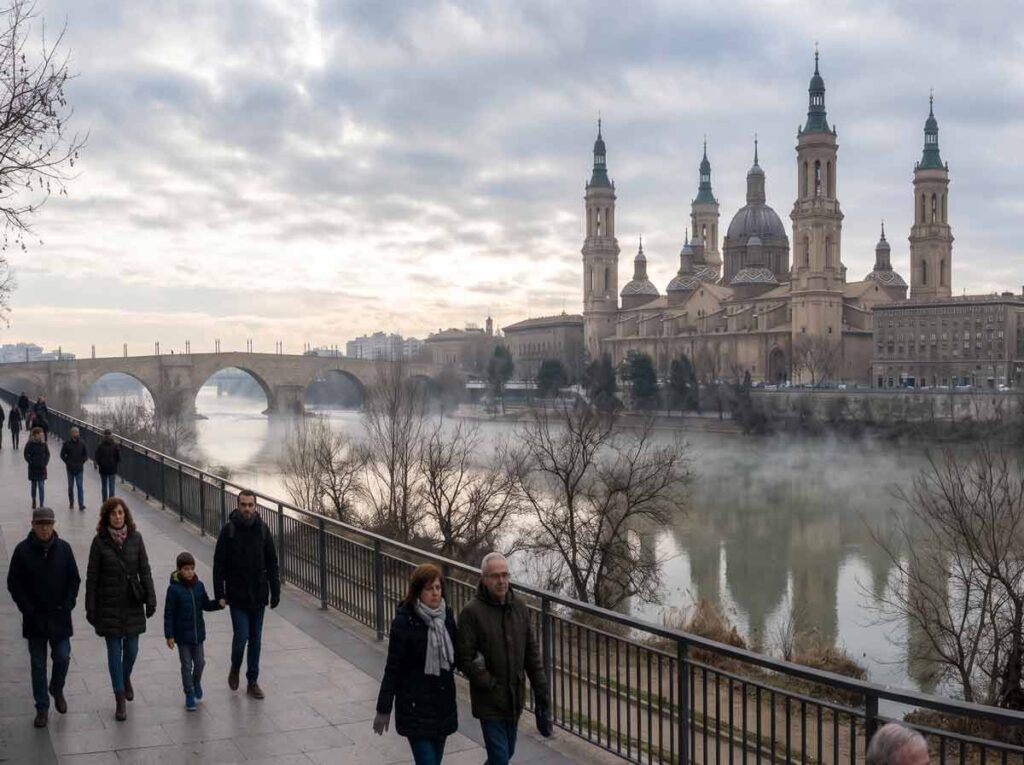
Spain in Winter: Weather, Best Places and How to Plan Your Trip
What is visiting Spain in winter really like? Many first-time visitors picture a country of endless sunshine, only to be surprised by how diverse Spain in winter actually is.
Between December and February, you will find crisp, bright days in high-altitude inland cities, milder temperatures along the Mediterranean coast and southern Andalusia, misty, rain-swept landscapes across the green north, and eternal spring in the Canary Islands.
Yet winter travel in Spain is about much more than chasing a warm thermometer.
Not every traveler comes looking for beach weather. For those who prioritize history, seasonal gastronomy, quiet wineries, medieval towns, and unhurried local culture, winter reveals a calmer, more authentic side of the country without the summer rush.
In this guide, we cover everything you need to know before you go: regional winter weather, the best dates and places to visit, what to pack, and how to plan your route—including overlooked regions like Aragón, which we will explore later on.
Spain in winter (December to February) offers diverse climates and far fewer crowds.
While southern Spain and the Mediterranean coast enjoy mild days (55°F–65°F / 13°C–18°C) and the Canary Islands stay warm, inland and northern regions are cooler — making winter ideal for cultural sightseeing, seasonal food, wine tours, and slow travel.
Is Spain Worth Visiting in Winter?
Asking yourself is Spain worth visiting in winter comes down to the kind of trip you have in mind.
Between December and February, mainland Spain steps away from its summer beach persona and becomes a destination defined by everyday local life, historic architecture, and unhurried regional tables.
Discover Spain through its culture
Winter is an ideal time to explore historic cities, local traditions and regional gastronomy at a slower pace. Explore cultural tours in Spain →
The Advantages of Visiting Spain in Winter
For cultural travelers, winter removes one of Spain’s biggest obstacles: intense summer heat.
Walking through historic quarters, Roman ruins, or monumental palaces is far more comfortable when daytime temperatures call for a coat rather than searching for shade at every corner.
It is also an ideal season to enjoy world-class museums without long lines, browse lively municipal food markets, and sit down to rich seasonal gastronomy.
When it comes to crowds and budgets, however, it is important to distinguish between two very different periods.
Mid-January and February bring true low-season calm, quieter monuments, and more competitive hotel rates.
In contrast, the Christmas and New Year period—extending through Three Kings’ Day on January 6—is a peak season for winter holidays in Spain, with bustling streets, festive lights, and higher demand in major cities.
Beyond the calendar, winter unlocks seasonal experiences you simply cannot have in July, such as black truffle hunting, tasting freshly pressed extra virgin olive oil, or visiting wineries at a relaxed pace.
When Winter May Not Be the Best Time to Visit Spain
On the other hand, winter is not the right fit for every traveler. If your main priority is sunbathing and swimming in the Mediterranean, mainland coasts will be far too chilly, leaving the Canary Islands as the only true warm-beach alternative.
Outdoor enthusiasts planning high-altitude treks will also find snow-covered passes and restricted trails in ranges like the Pyrenees or the Picos de Europa.
Finally, winter travel comes with practical constraints: daylight hours are shorter (with sunset around 5:45 PM to 6:30 PM), northern and inland weather can be unpredictable, and some coastal resorts or rural restaurants reduce their opening hours or close for the season.
What Is the Weather Like in Spain in Winter?
Understanding winter weather in Spain requires setting aside the idea of a single national forecast.
Because the Iberian Peninsula is crossed by major mountain ranges and bordered by both the Atlantic Ocean and the Mediterranean Sea, conditions vary dramatically within just a few hours’ drive.
Winter Temperatures in Spain: North, South, Coast and Inland
Looking at a single average temperature in Spain in winter is misleading. Between December, January, and February, the country splits into five distinct climatic zones, often showing a sharp contrast between daytime sunshine and nighttime chill.
Across the central inland plateau (Meseta) and the Ebro Valley, winter days are often bright and dry, with December and February highs reaching 50°F–55°F (10°C–13°C), while January—typically the coldest month—hovers around 48°F–50°F (9°C–10°C). Once the sun sets, however, temperatures drop quickly to 35°F–39°F (2°C–4°C).
Along the Mediterranean coast, the sea moderates winter temps in Spain, keeping daytime highs around 57°F–61°F (14°C–16°C) and nighttime lows near 46°F–48°F (8°C–9°C).
Green Spain along the northern Atlantic coast shares similar daytime figures of 54°F–57°F (12°C–14°C), but with much higher humidity and frequent Atlantic rain fronts. Further south, lowland Andalusia enjoys daytime highs of 61°F–64°F (16°C–18°C), whereas the Canary Islands remain in a subtropical league of their own at 70°F–73°F (21°C–23°C).
How Cold Does Spain Get in Winter?
Travelers often ask how cold does Spain get in the winter, especially when packing for inland cultural routes.
Elevation is the decisive factor: Spain is one of the most mountainous countries in Europe, and Madrid sits at roughly 2,150 feet (655 meters) above sea level.
In inland cities such as Madrid, Salamanca, Burgos, Teruel, or Zaragoza, crisp mornings and overnight frosts at or below 32°F (0°C) are common in December and January.
This dry, penetrating inland cold feels very different from the milder air of coastal cities like Barcelona, Valencia, or Málaga.
In Zaragoza and the Ebro Valley, for instance, a moderate thermometer reading of 46°F (8°C) can feel near freezing when the Cierzo—a brisk northwest wind—blows down from the mountains, while high-altitude valleys in the Pyrenees and Sierra Nevada regularly drop well below freezing.
Is Spain Warm in Winter? Where to Find Milder Weather
If your priority is true winter warmth, you need to distinguish between mainland Spain and the Canary Islands.
Located off the northwest coast of Africa, islands like Tenerife, Gran Canaria, and Lanzarote are the only parts of Spain offering genuine swimming and sunbathing weather between December and February.
On the mainland, the mildest winter conditions are found along the southern Mediterranean and low-lying Andalusia—particularly in Málaga, Marbella, Alicante, Murcia, and daytime Seville. Here, sunny afternoons in the low 60s °F (16°C–18°C) are wonderful for outdoor sightseeing and terrace lunches.
Still, a mild Mediterranean winter does not equal summer beach heat: evenings require a warm coat, and seawater temperatures stay chilly at around 59°F (15°C).
| Region / Destination | Avg. Daytime Highs (Dec–Feb) | Avg. Nighttime Lows (Dec–Feb) | Typical Winter Conditions |
|---|---|---|---|
| Madrid / Central Inland | 50°F–54°F (10°C–12°C) | 36°F–39°F (2°C–4°C) | Crisp, sunny days and cold nights; frequent overnight frosts in upland areas. |
| Barcelona / Mediterranean | 57°F–61°F (14°C–16°C) | 46°F–48°F (8°C–9°C) | Moderate, mostly dry days with coastal breezes and cool, damp evenings. |
| Andalucía | 61°F–64°F (16°C–18°C) coast/valley; 54°F (12°C) Granada | 45°F–48°F (7°C–9°C) coast; 34°F (1°C) Granada | Sharp contrast between mild coastal Málaga or Seville and frosty high-altitude Granada. |
| Northern Atlantic | 54°F–57°F (12°C–14°C) | 43°F–46°F (6°C–8°C) | Mild temperatures but frequent rainfall (12–15 wet days/month) and overcast skies. |
| Zaragoza / Aragón | 50°F–55°F (10°C–13°C) valley; colder in mountains | 36°F–39°F (2°C–4°C) valley; <32°F (0°C) Pyrenees/Teruel | Dry inland cold, occasional morning valley fog, brisk Cierzo wind, and mountain snow. |
| Canary Islands | 70°F–73°F (21°C–23°C) | 59°F–63°F (15°C–17°C) | Subtropical, spring-like warmth year-round; the only true winter beach destination. |
Note: Temperature ranges reflect historical meteorological averages for the core winter quarter (December, January, and February) based on Spain’s State Meteorological Agency (AEMET 1991–2020 standard reference period) and Turespaña destination data.
When Is Winter in Spain? Winter Months and Travel Seasons
Understanding when is winter in Spain helps you match your travel dates with daylight hours, regional weather, and local travel seasons.
While the official calendar and the actual weather follow slightly different dates, knowing how the core winter quarter compares to the surrounding shoulder months makes planning much easier.
December, January and February: The Main Winter Months
If you are asking yourself when does winter start in Spain, the official astronomical season begins around December 21 with the winter solstice and ends around March 20 with the arrival of spring.
For practical travel planning, however, the core winter months in Spain follow the meteorological calendar: December, January, and February.
Across these three months, daylight hours are at their shortest, temperatures reach their annual lows, and the country settles into its winter pace.
Travel seasons within this window split into two distinct periods: the festive peak from early December through January 6 (Three Kings’ Day), and the true low season from mid-January through the end of February.
Is November or March a Good Time to Visit Spain?
Bracketing the main winter months are two transition periods that work well depending on the regions and activities you choose:
- November (Autumn Transition): A true shoulder-season month marking the shift from fall to winter. While days grow shorter and inland nights turn crisp, late-autumn foliage still colors vineyards and mountain valleys, and major sights remain uncrowded before December’s holiday rush.
- March (Spring Transition): As winter gives way to early spring, afternoons become noticeably brighter and milder—especially along the Mediterranean and in southern Spain—making it a versatile month for combining city culture with countryside routes.
Spain’s Winter & Shoulder-Season Timeline at a Glance
- November: Late-autumn shoulder season · Shorter days, fall foliage & low crowds.
- December: Early meteorological winter (Astronomical winter starts ~Dec 21) · Festive lights & holiday atmosphere.
- January: Mid-winter · Holiday peak until Jan 6, followed by the quietest low-season weeks.
- February: Late meteorological winter · Crisp weather, seasonal gastronomy & uncrowded cultural travel.
- March: Early-spring transition (Astronomical winter ends ~Mar 20) · Longer days & milder afternoons.
Spain in Winter by Month: November, December, January and February
Choosing when to travel across the Spain in winter months depends on whether you prefer festive city energy, quiet museum galleries, or countryside food routes.
Each month between late fall and late winter brings a distinct rhythm to both major capitals and rural regions.
Spain in November: The Transition to Winter
November bridges autumn and winter, making it an appealing window for cultural and food-focused trips before the holiday rush.
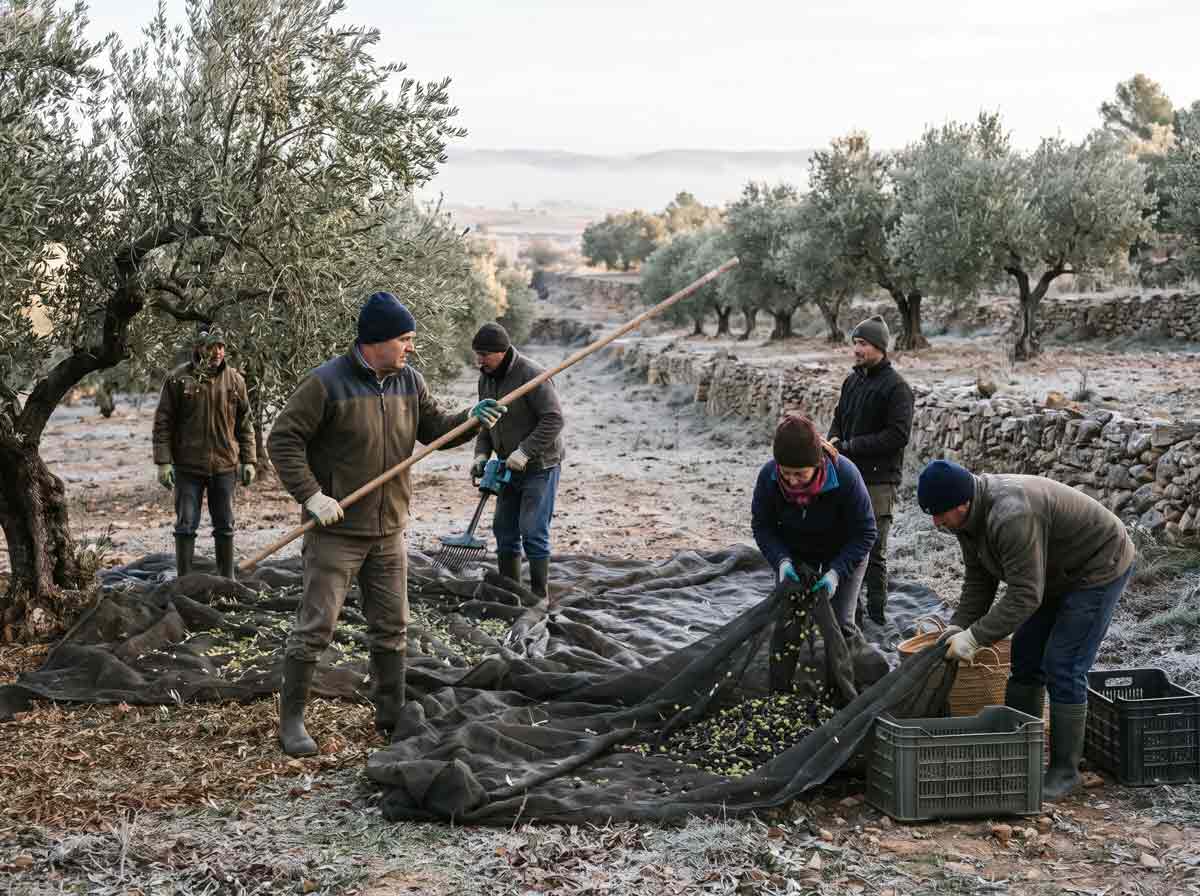
Regional weather shifts noticeably during these weeks: while southern cities remain mild, inland plateaus and northern valleys turn crisp, with late-autumn colors still lingering in vineyards and forests.
It is a versatile month for combining major urban museums with rural escapes to historic towns.
In inland regions like Aragón, late November also marks the beginning of the black winter truffle (Tuber melanosporum) harvest, opening the door to the first seasonal foraging and culinary experiences of the winter calendar.
Spain in December: Christmas, Cities and Seasonal Traditions
Visiting Spain in December is all about festive atmosphere, illuminated avenues, artisan nativity scenes (belenes), and traditional Christmas markets.
When planning your dates, keep in mind the contrast between the first half of the month and the late-December peak.
Aside from Spain’s early-December national holiday weekend (Puente de Diciembre), the first three weeks offer a lively yet manageable pre-holiday mood.
From Christmas Eve through New Year’s Eve, demand rises sharply across major cities and popular winter holidays in Spain destinations.
If you travel during the holiday weeks, booking monument tickets, trains, and dining tables well in advance is essential, as many restaurants close or serve fixed holiday menus on key dates.
Spain in January: Museums, Winter Food and Cultural Travel
Spain in January offers two contrasting experiences. The first week culminates on January 5 and 6 with the Three Kings’ Day parades (Cabalgatas de Reyes), one of the country’s most cherished seasonal traditions.
Once the festivities end after January 6, tourist activity drops to its lowest point of the year.
This quiet mid-winter stretch is ideal for unhurried indoor culture—exploring major art museums, cathedrals, and historic palaces without lines—and sitting down to hearty winter stews and seasonal dishes.
While high mountain passes may face snow-related restrictions, inland valleys and rural estates enter prime season for pairing quiet winery visits with black truffle experiences, such as the routes curated by Rutica 41 in Aragón.
Spain in February: Truffles, Wine and Countryside Experiences
By the time you visit Spain in February, daylight hours slowly begin to lengthen, making it a rewarding month for cultural day trips and countryside excursions.
In the culinary calendar, February is the peak moment for black truffle season—when aroma and ripeness reach their height—alongside intimate wine experiences where winemakers and local producers have more time to welcome visitors while the vineyards rest.
Depending on where you go, mid-to-late February also brings lively Carnival celebrations, which have special relevance in places like Cádiz and the Canary Islands, while inland regions such as Aragón remain focused on slow rural travel, medieval villages, and seasonal tables.
Best Places to Visit in Spain in Winter
Deciding where to go in Spain in winter depends on whether you prioritize world-class art museums, mild southern plazas, coastal dining, or quieter inland regions.
Because the season sharpens regional contrasts, the best places to visit in Spain in winter offer very different travel experiences from north to south.
Barcelona in Winter: Architecture, Food and City Breaks
Experiencing Barcelona Spain in winter shifts the focus away from the beachfront and toward modernist architecture, neighborhood markets, and cultural walks.
Without the intense summer humidity and peak cruise-ship crowds, exploring Antoni Gaudí’s masterpieces, the Gothic Quarter, and historic food halls like La Boqueria or Santa Caterina feels much more comfortable.
The main trade-off is cooler coastal air and shorter daylight hours, meaning it is strictly an urban break rather than a beach trip.
Even in the low season, smart planning matters: major sights like the Sagrada Família and Park Güell still require timed-entry tickets booked in advance.
Madrid in Winter: Museums, History and Day Trips
Choosing Madrid Spain in winter places you at the heart of the country’s art and culinary life. Crisp, sunny mornings are ideal for walking through Historic Madrid and Retiro Park before spending the afternoon inside the Prado, Reina Sofía, or Thyssen-Bornemisza museums, followed by traditional winter stews and tapas in century-old taverns.
Because of Madrid’s high inland elevation, packing a warm winter coat, scarf, and layers is essential for frosty mornings and cold nights.
Madrid also works well as a hub for rail day trips to Toledo or Segovia—and serves as a natural starting point for travelers continuing onward by high-speed train toward Zaragoza.
Seville, Granada and Málaga: Southern Spain in Winter
Andalusia is one of Spain’s most popular winter regions, yet its three main cities do not share the same climate. Spending winter in Seville Spain brings mild, sunny afternoons that are ideal for architectural walks around the Cathedral, the Real Alcázar, and the Santa Cruz quarter without the extreme heat of summer.
Granada, by contrast, sits high at the foot of the snow-capped Sierra Nevada: visiting the Alhambra under crisp winter skies is unforgettable, but daytime and nighttime temperatures are noticeably colder.
Meanwhile, Málaga combines one of mainland Spain’s mildest coastal microclimates with a lively historic center and a strong museum scene.
Valencia and the Mediterranean Coast in Winter
Along the eastern coast, Valencia offers a bright, walkable urban break outside the summer beach season.
Mild winter days are well suited for strolling through the Turia Gardens, visiting the historic Silk Exchange (La Lonja), and tasting traditional rice dishes and local produce around the Central Market.
While the Mediterranean is too chilly for swimming, the city’s sunny plazas and seaside promenades keep a relaxed, authentic rhythm throughout the winter months.
Northern Spain in Winter: Bilbao, San Sebastián and the Atlantic Coast
In northern Atlantic cities such as Bilbao and San Sebastián, winter travel centers on gastronomy, urban heritage, and contemporary culture.
It is a rewarding time to visit the Guggenheim Museum, walk along La Concha Bay between weather fronts, and enjoy Basque pintxo bars alongside traditional cider house season, which kicks off in mid-January.
However, the Atlantic coast experiences frequent rain and overcast days in winter, so it is important to distinguish urban food and museum trips—which work well year-round—from outdoor coastal hikes that depend heavily on the daily forecast.
The Canary Islands: Spain’s Winter Sun Destination
Located off the coast of northwestern Africa, the Canary Islands stand apart climatically as Spain’s true winter sun destination.
Islands like Tenerife, Gran Canaria, and Lanzarote appeal to travelers seeking warm temperatures, ocean swimming, and volcanic landscapes between December and February.
Still, they require a separate flight from the mainland and offer an island nature and resort getaway rather than an equivalent alternative to a historic, food-focused cultural route across peninsular Spain.
Aragón and Zaragoza: A Different Side of Spain in Winter
For travelers looking beyond the classic circuit, Zaragoza and the wider region of Aragón reveal a quieter, deeply authentic side of Spain.
Located midway between Madrid and Barcelona on the high-speed rail line, Zaragoza brings together Roman, Islamic, and Mudéjar heritage with a vibrant local tapas scene.
Beyond the capital, Aragón connects old-vine wine country, black winter truffle estates, medieval hilltop villages, and the Pyrenees—offering remarkable potential for a multi-day cultural journey, which we explore in detail in the next section.
Best Things to Do in Spain in Winter Beyond the Beach
When looking for the best things to do in Spain in winter, stepping away from the summer coastline opens up a rich calendar of cultural, culinary, and countryside experiences that feel far more intimate than in peak season.
Museums, Historic Cities and Cultural Experiences
Crisp mornings and quieter plazas make winter an inspiring time for exploring royal palaces, Mudéjar churches, and Roman ruins at your own pace.
Whenever rain or cold wind rolls in, Spain’s world-class art museums, historic libraries, and indoor cultural exhibitions offer rewarding shelter.
Food Markets, Wine Tastings and Seasonal Cuisine
If you are wondering what to do in Spain in winter around the table, the colder months bring out the country’s deepest culinary traditions.
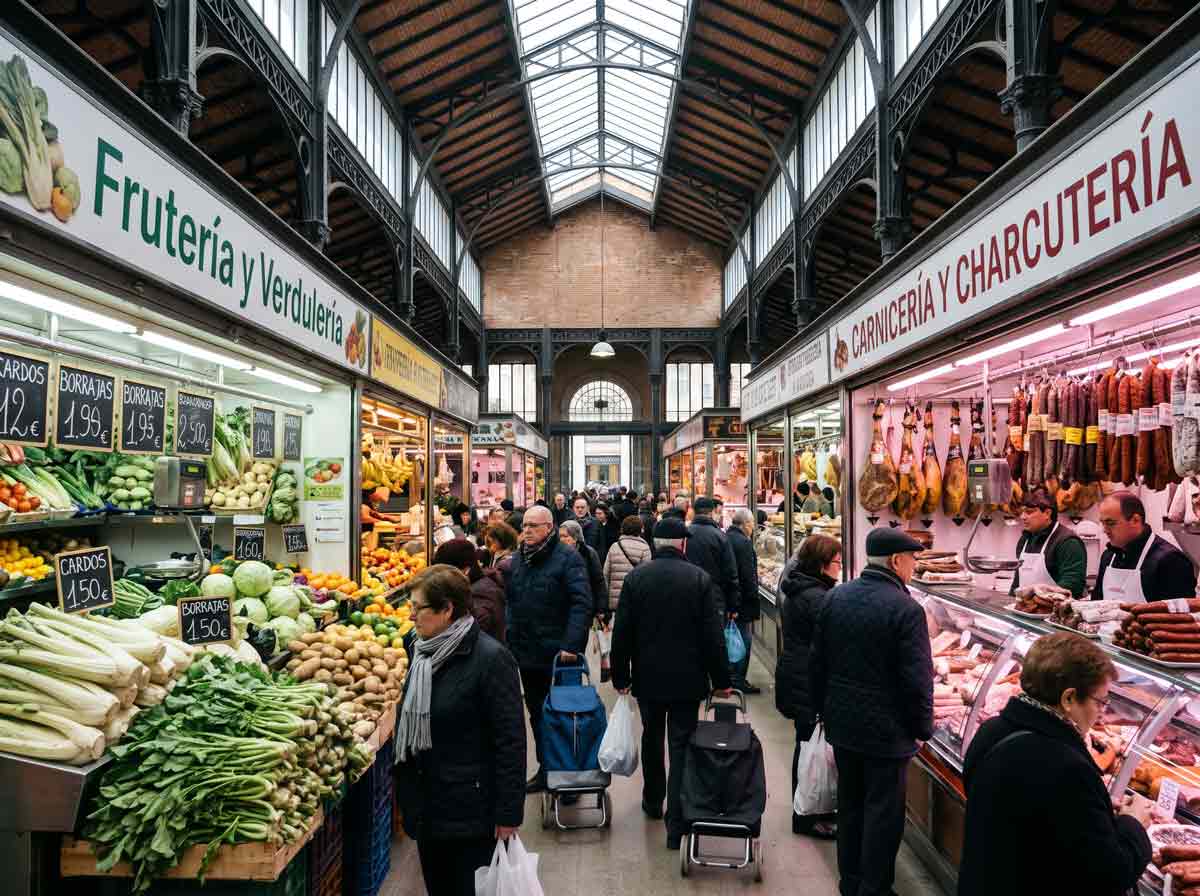
It is the prime season to browse lively municipal food markets, savor comforting seasonal recipes, and book unhurried tastings with winemakers and artisan producers.
Winter Landscapes, Villages and Outdoor Activities
Bright winter days invite you to wander through cobbled medieval villages, hilltop fortresses, and snow-dusted mountain valleys.
While scenic drives and gentle valley walks are memorable, outdoor activities in higher elevations always depend on daily weather conditions and daylight hours.
Explore Spain’s Winter Experiences Below:
- Historic Cities & Slow Culture: Why Aragón works for slow winter travel and visiting Zaragoza in winter.
- Seasonal Gastronomy & Vineyards: Winter food and truffle season plus visiting wine country in winter.
- Mountain Scenery & Villages: How to enjoy the Pyrenees in winter beyond skiing.
Why Aragón Is Worth Discovering on a Winter Trip to Spain
Most itineraries for winter travel in Spain follow the high-speed rail corridor between Madrid and Barcelona without stopping in between.
Yet right across that route lies Aragón—a diverse inland region whose historic cities, vineyards, and mountain valleys fit naturally into slow travel Spain itineraries.
Aragón: History, Local Traditions and Lesser-Known Places
Stretching from the central Pyrenees down through the Ebro River valley to the highlands of Teruel, Aragón occupies a strategic crossroads in northeastern Spain.
Because it sits outside the country’s mass-market coastal circuits, an Aragón Spain winter route feels noticeably different from the classic tourist trail.
Here, UNESCO-listed Mudéjar architecture, medieval hilltop towns, and centuries-old agricultural traditions remain part of everyday life rather than staging grounds for big tour buses.
Within a couple of hours’ drive, the scenery shifts from snowy mountain valleys and dramatic stone castles to quiet river plains and ancient olive groves.
Step into Spain’s medieval side
Quiet stone villages, hilltop fortresses and centuries of history make inland Spain especially rewarding in winter. Discover Spain’s best medieval towns →
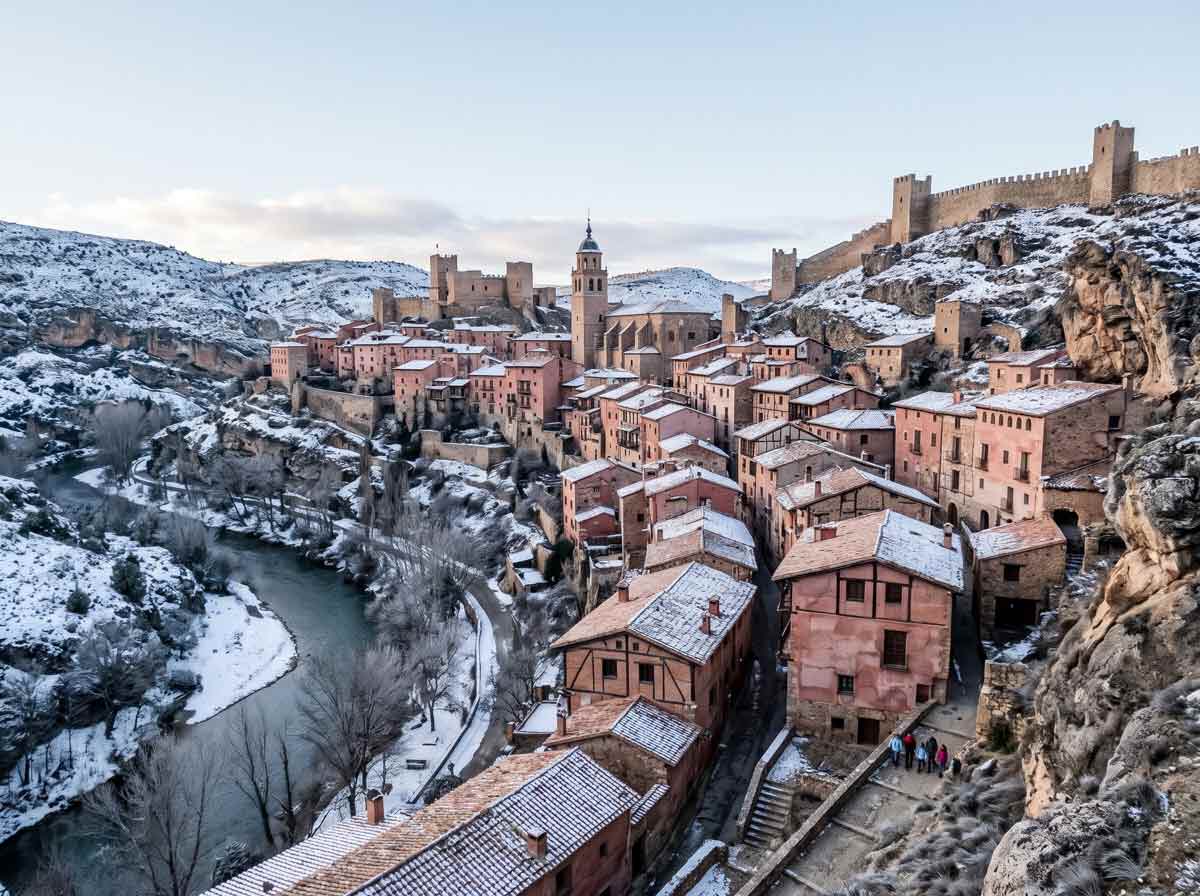
In winter, visiting these towns means walking quiet cobbled streets, chatting unhurriedly with local bakers or vintners, and experiencing regional culture at its normal daily pace.
Zaragoza in Winter: A Base for Culture and Gastronomy
Located roughly midway between Madrid and Barcelona—just over an hour from either city by high-speed AVE train—a Zaragoza Spain winter stay gives travelers a walkable, well-connected cultural base.
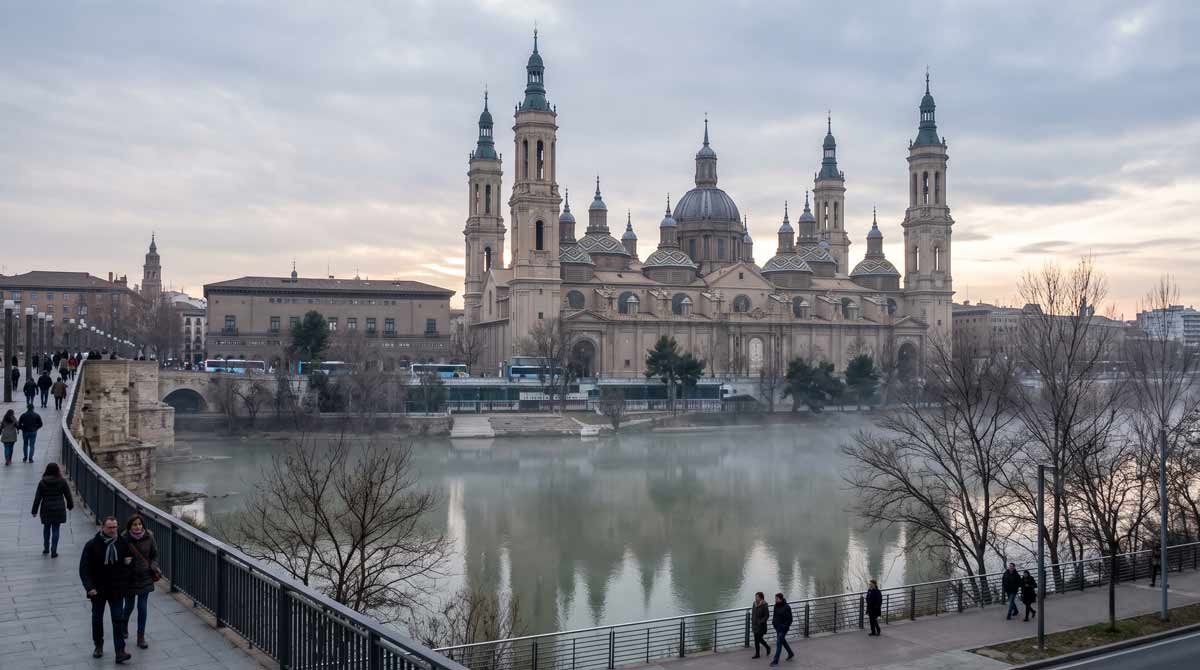
Within a compact historic center, the city layers two thousand years of heritage: Roman theater and forum ruins, the 11th-century Islamic palace of La Aljafería, Mudéjar churches, and the iconic riverside domes of the Basílica del Pilar.
Crisp winter mornings are ideal for exploring the iron-and-glass Central Market (Mercado Central) on a guided Zaragoza Central Market and tapas tour to see where local chefs source Ebro Valley vegetables, cheeses, and cured meats. By midday and evening, the narrow streets of El Tubo come alive with locals gathering at traditional bar counters for freshly made tapas paired with regional Garnacha wines.
Day Trips from Zaragoza: Wine Country, Castles and Villages
Using the capital as a hub allows you to take varied cultural and gastronomic day trips from Zaragoza without repacking your bags every night:
- Cariñena and Campo de Borja (45–60 minutes): Half-day or full-day wine excursions into historic appellation lands famous for old-vine Garnacha, stony soils, and family-run wineries.
- Belchite and Olive Oil Country (45 minutes): A close excursion combining the moving historical ruins of the Old Town of Belchite (Pueblo Viejo) with century-old Empeltre olive groves and tastings at a local olive oil mill.
- Loarre Castle (1 hour 15 minutes): A journey north toward the pre-Pyrenees to explore Europe’s best-preserved 11th-century Romanesque fortress overlooking the winter plains.
- Albarracín and Teruel (2 hours): A full-day cultural route south to admire Teruel’s Mudéjar towers and walk the steep, pink-walled lanes of Albarracín, one of the most striking medieval towns in Spain.
Explore Aragón from Zaragoza
Use Zaragoza as your base for wine country, medieval villages, castles and some of Aragón’s most distinctive landscapes. Discover the best day trips from Zaragoza →
Winter Food in Spain: Why Aragón Is a Gastronomic Destination
Exploring Spanish winter food means stepping away from light summer dishes and sitting down to slow-simmered recipes shaped by cold mountain air and harvest calendars.
For travelers interested in winter gastronomy Spain offers few regions as deeply connected to the land and its seasonal produce as Aragón.
Black Truffle Season in Aragón
Between late November and March, Aragón becomes the world’s leading producer of Tuber melanosporum, the prized black winter truffle.
Unlike synthetic truffle oils or milder summer varieties, fresh winter truffle grows in calcareous soils across the region’s high, frosty oak plateaus, developing its intense, earthy aroma only when winter cold sets in.
Because ripeness depends on autumn rains and winter frosts, each harvest campaign has its own rhythm, typically reaching its peak in January and February.
Joining a foraging outing is one of the most memorable things to do in Spain in winter, allowing you to walk through quiet holm-oak groves alongside a local truffle farmer (truficultor) and their trained dogs as they locate ripe truffles underground by scent.
Experience black truffle season in Aragón
Join local producers in the countryside, discover how winter truffles are found and combine the experience with regional food and wine. Discover our black truffle experience →
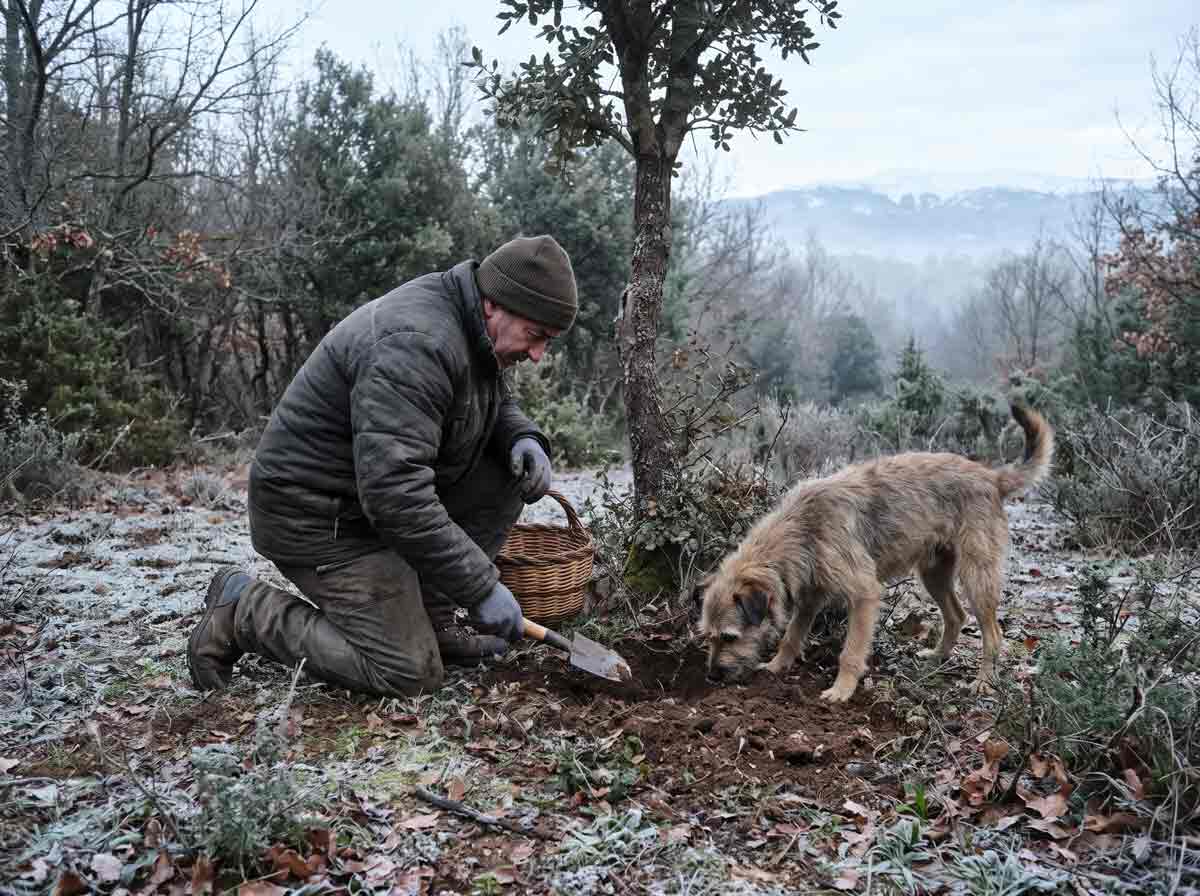
On routes such as Rutica 41’s black truffle and wine experience in Aragón, travelers follow the harvest in the foothills of Mount Moncayo before visiting a family winery in Campo de Borja and sitting down to a seasonal truffle-paired menu.
Traditional Winter Dishes and Local Products
Beyond truffles, Aragón’s winter table reflects its diverse terrain—from the fertile vegetable gardens of the Ebro Valley to high-altitude Pyrenean valleys.
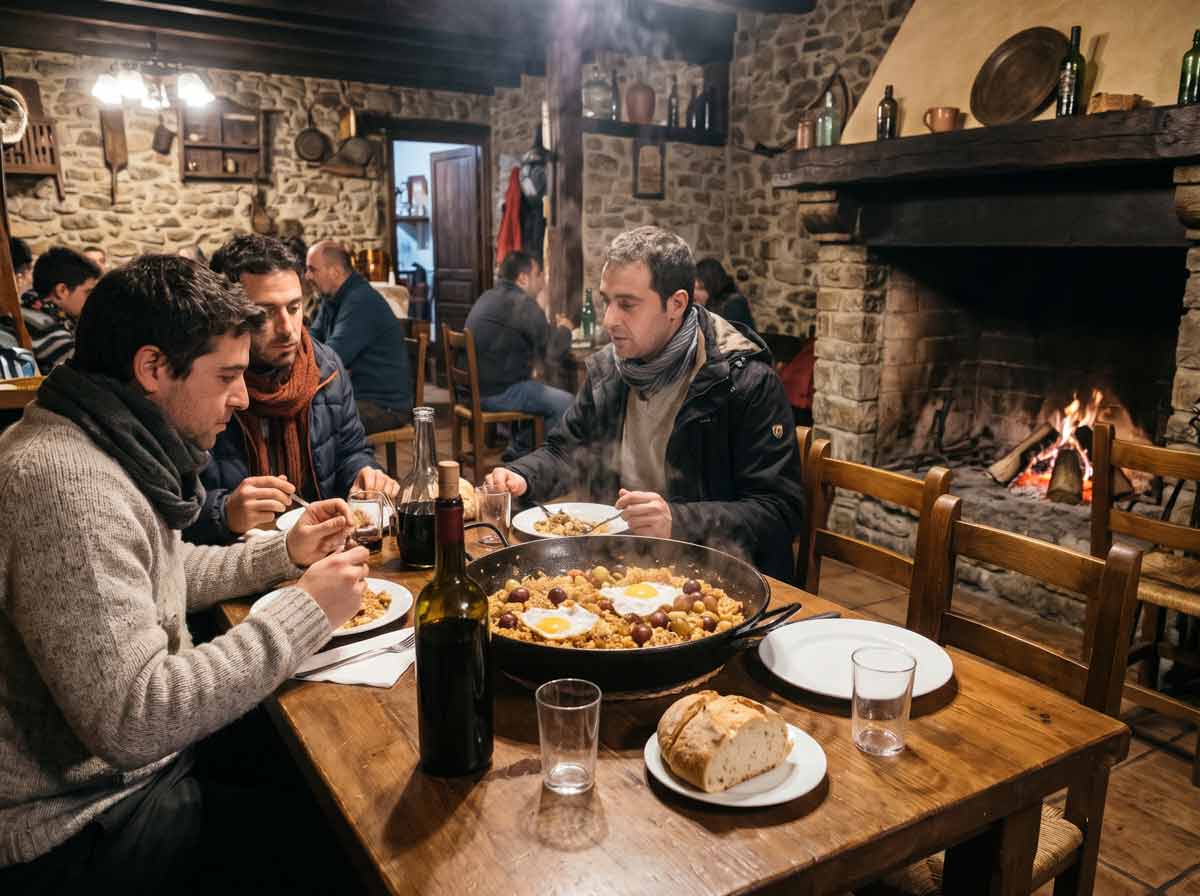
Cold days call for comforting regional dishes: slow-roasted Ternasco de Aragón (tender local lamb), heirloom legumes, artisan mountain cheeses, and winter vegetables that rarely appear outside the region, such as velvety borage (borraja) and cardoon (cardo) in almond sauce.
Every recipe is anchored by fresh extra virgin olive oil pressed from late-autumn Empeltre and Arbequina harvests.
Discovering where these ingredients are grown through specialized countryside visits adds depth and context to every dish you taste.
Food Experiences That Connect Travelers with Local Producers
Rather than simply booking a restaurant table, guided culinary experiences allow you to trace regional flavors back to the people who craft them.
Walking through municipal food markets, stepping inside traditional olive oil mills (almazaras), or visiting small-scale cheesemakers and rural bakers turns a tasting into a face-to-face conversation.
Having a knowledgeable local specialist contextualize what is on your plate—explaining why a specific olive variety thrives in dry steppe soil or how traditional curing methods preserve winter meats—transforms a meal into a genuine encounter with Aragón’s living culture.
Wine Tourism in Spain During Winter: Aragón’s Wine Regions
Planning wine tours in Spain between December and February reveals a calmer, more intimate side of the country’s vineyard landscapes, particularly in historic inland wine regions like Aragón.
Can You Visit Wineries in Spain in Winter?
Many estates welcome travelers for wine tasting in Spain in winter, though operations change once the autumn harvest concludes.
Not every winery keeps regular walk-in hours during the colder months, so verifying schedules and booking ahead is essential. For travelers, this quieter calendar is a clear advantage: with the vines dormant outdoors, the focus shifts from long vineyard walks to indoor cellar tours, barrel rooms, and historic underground caves.
Guided visits move at a relaxed pace, giving you ample time to ask questions and taste each vintage without the rush of peak season.
Cariñena, Campo de Borja and Garnacha Wines
Less than an hour from Zaragoza lie two of Aragón’s flagship appellations: Aragón Garnacha wine route and Campo de Borja.
Both territories are defined by stony soils, high elevation, and century-old bush vines of Garnacha (Grenache)—a signature varietal that yields rich, structured red wines suited to cold-weather dining.
In these rural towns, winemaking is deeply tied to local identity and winter gastronomy, pairing naturally with roasted lamb, cured meats, and hearty seasonal dishes.
Adding a Wine Experience to a Private Winter Itinerary
Integrating wine country into a winter route works best when tastings are paired with nearby heritage stops, such as Mudéjar churches or hilltop castles, while accounting for shorter daylight hours and designated transport.
Whether you join a guided Cariñena wine tour from Zaragoza or book one of Rutica 41’s private wine tours in Spain, having transfers, cellar appointments, and traditional lunches coordinated in advance ensures a smooth, unhurried day in the countryside.
Go deeper into Spain’s wine country
From old-vine Garnacha in Aragón to historic wine regions across Spain, discover how local landscapes shape every glass. Explore wine regions and private wine tours →
The Spanish Pyrenees in Winter: Snow, Scenery and Cultural Experiences
Experiencing the Pyrenees in winter does not require strapping on skis. Along Spain’s northern border, snow-capped peaks frame stone villages, Romanesque monasteries, and quiet valleys that reward slow cultural exploration.
Does It Snow in Spain in Winter?
If you are wondering does it snow in Spain in winter, the answer is yes—though snowfall is concentrated primarily in high-altitude mountain ranges and during specific cold weather fronts.
Regular winter snow blankets the Pyrenees in the north, the Sierra Nevada in Andalusia, the Picos de Europa, and the central mountain systems.
By contrast, lower-lying northern cities such as Bilbao, San Sebastián, or Zaragoza rarely stay snow-covered, experiencing Atlantic rain or crisp, dry inland cold instead.
Winter Landscapes in the Aragonese Pyrenees
Some of the most dramatic Spain winter landscapes unfold across the Aragonese Pyrenees, where white peaks tower above slate-roofed medieval villages and river valleys.
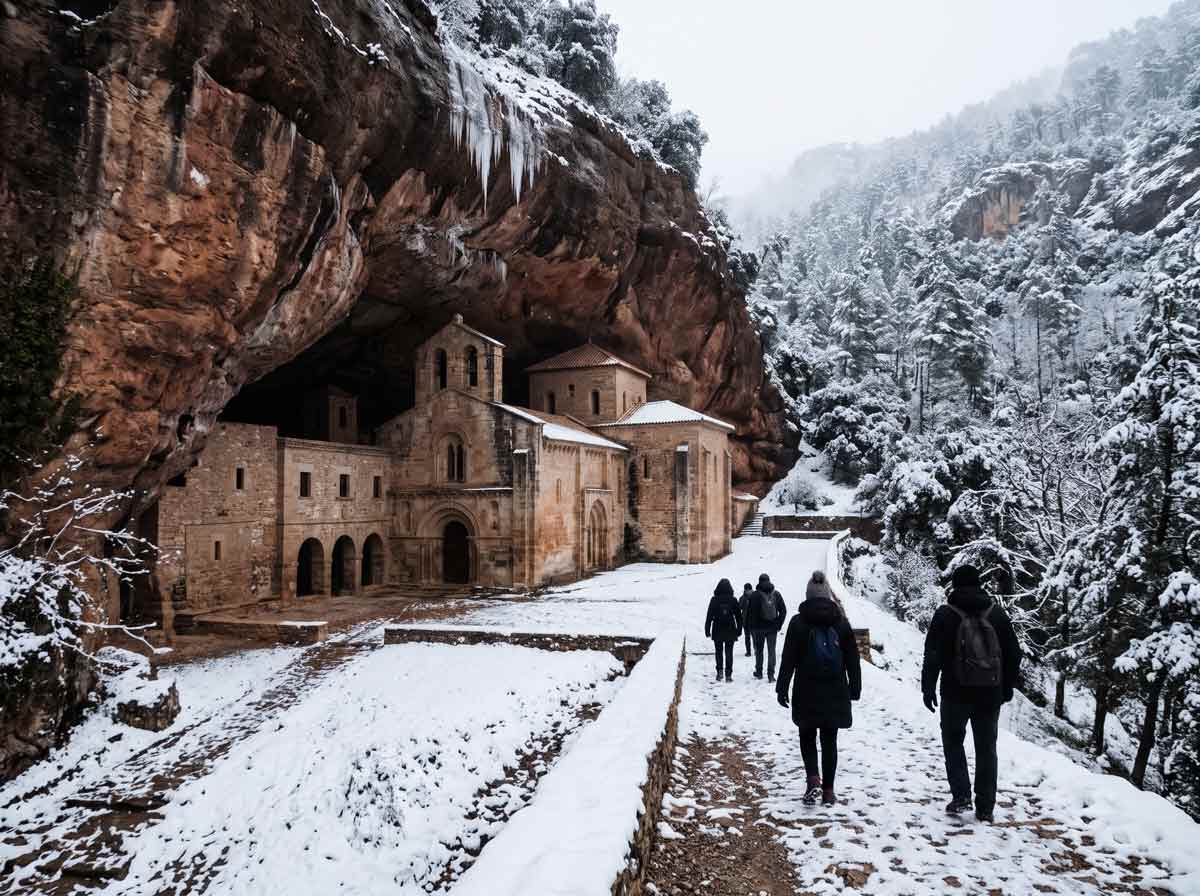
Destinations featured as references in Rutica 41’s five-day Aragonese Pyrenees itinerary—including the historic town of Jaca with its 11th-century cathedral and pentagonal citadel, the cliffside Monastery of San Juan de la Peña, and the valleys bordering Ordesa y Monte Perdido—offer exceptional cultural and architectural depth.
During the colder months, however, enjoying these mountain settings means adapting the itinerary to daily snow levels rather than expecting every warm-weather trail or high pass to be accessible.
Planning Mountain Excursions Safely in Winter
Visiting mountain areas between December and February calls for realistic, prudent logistics.
Shorter daylight hours require earlier departures, and secondary mountain roads can be affected by ice, snowdrifts, or temporary closures.
Because high-altitude hiking trails and some rural venues close for the season, the best approach is to keep routes flexible—balancing accessible scenic viewpoints with lower-elevation heritage visits, historic towns, and long, comforting mountain lunches.
Discover the wild side of Aragón
Mountain valleys, historic villages and dramatic Pyrenean scenery make this one of Aragón’s most memorable regions. Explore Ordesa and Monte Perdido →
What to Wear and Pack for Spain in Winter
Figuring out what to wear in Spain in winter comes down to matching your wardrobe to regional elevations and daily temperature swings.
Knowing what to pack for Spain in winter means relying on versatile layers that adapt from sunny city plazas to chilly wine cellars and frosty highland towns.
What to Wear in Spanish Cities During Winter
In Spanish cities, locals favor smart-casual layers over athletic wear. Combining breathable base shirts with merino wool sweaters lets you adjust comfortably from heated museum galleries to cool outdoor avenues.
Match your outer coat to your route: a warm wool or down coat is essential for inland capitals like Madrid or Zaragoza—where brisk winds like the Cierzo demand a windproof scarf—whereas a mid-weight jacket suits milder Seville or Málaga.
Prioritize supportive, water-resistant leather boots or walking shoes built to handle historic cobblestones and occasional winter rain.
Packing for Wine Tours and Countryside Experiences
Rural excursions require dressing for shifting temperatures and unpaved terrain, especially when comparing a winery visit with truffle foraging in the field.
Even on a sunny afternoon, underground barrel cellars in Cariñena or Campo de Borja stay around 55°F (13°C) year-round, making an extra sweater or vest essential indoors.
Accompanying a truffle farmer and their dogs across frosty holm-oak estates, however, means walking on damp soil and stony paths early in the morning—where insulated outerwear and sturdy, mud-friendly boots are far more practical than city footwear.
What to Pack for the Pyrenees and Colder Regions
Traveling into the Pyrenees or high-altitude towns like Teruel and Albarracín calls for thermal base layers, a warm fleece or wool mid-layer, and a windproof, water-resistant winter jacket.
Footwear with high-traction rubber soles is key for walking safely on steep, frost-slicked stone streets in mountain towns like Jaca.
Unless your itinerary includes a guided winter trek, specialized technical mountaineering gear is unnecessary—simply check the local forecast before departure to fine-tune your layers.
Essential Packing List for Spain in Winter by Setting
- Spanish Cities: Smart-casual sweaters, warm winter coat (inland) or medium jacket (south/coast), windproof scarf, compact umbrella, and water-resistant walking shoes for cobblestones.
- Wine & Truffle Countryside: Warm mid-layers for chilly underground cellars, weatherproof field jacket, and sturdy ankle boots for vineyard soil or oak-forest trails.
- Pyrenees & Highlands: Thermal base layers, insulated waterproof coat, hat, gloves, wool socks, and high-grip footwear for frosty stone streets.
Christmas and Winter Traditions in Spain
Experiencing Christmas in Spain introduces first-time visitors to a festive calendar that stretches well beyond December 25.
Understanding these Spain winter traditions adds cultural depth to your trip while helping you plan around key national holidays.
Christmas Markets, Festive Lights and Seasonal Food
From late November, illuminated streets, intricate nativity scenes (belenes), and open-air holiday markets transform Spanish plazas.
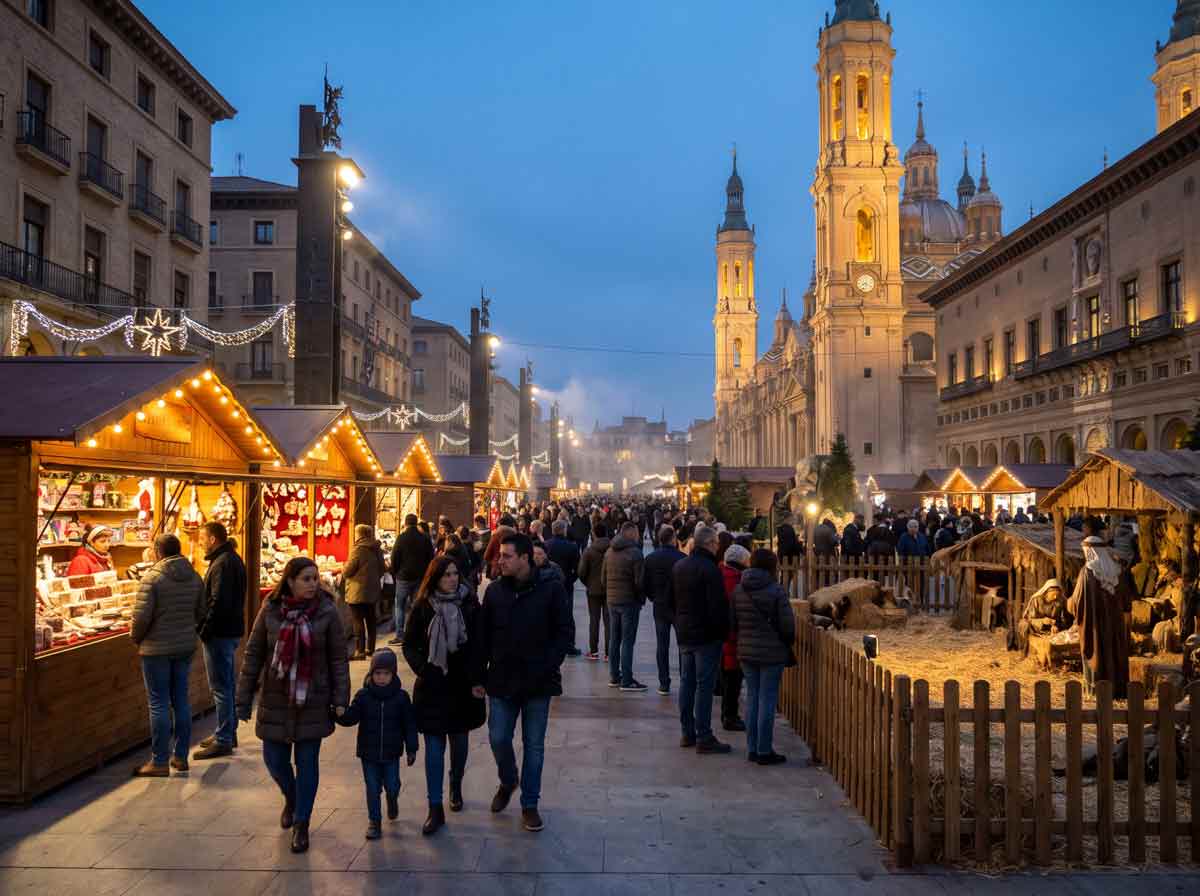
While major capitals stage grand light displays and bustling craft stalls, smaller towns offer a more intimate, community-focused atmosphere around historic squares and churches.
Everywhere you go, bakery windows fill with traditional sweets like almond nougat (turrón), crumbly shortbread (polvorones), and marzipan, while families gather for their main celebratory dinner on Christmas Eve (Nochebuena).
New Year’s Eve and the Twelve Grapes
On December 31 (Nochevieja), Spaniards gather in lively town squares or around the table at home to welcome the New Year with the tradition of the twelve lucky grapes (las doce uvas de la suerte).
As the clock tower strikes midnight, everyone eats one grape at each of the twelve chimes to bring good fortune for the months ahead.
Keep in mind that during peak winter holidays in Spain—especially December 24, 25, 31, and January 1—museums, shops, and restaurants frequently modify their opening hours or close early.
Three Kings’ Day: Why Christmas Lasts Until January 6
Unlike in the United States, the Spanish holiday season reaches its grand finale in early January with Three Kings’ Day (Día de los Reyes Magos), the traditional occasion when children receive their gifts.
On the evening of January 5, colorful parades (Cabalgatas de Reyes) wind through cities and villages as the Three Wise Men toss sweets to the crowds.
January 6 is a national public holiday celebrated over slices of Roscón de Reyes (a ring-shaped sweet bread), meaning most shops and services close for the day.
Suggested 5–7 Day Spain Winter Itinerary Through Aragón
Building a balanced Spain in winter itinerary does not mean trying to cross the entire country in a single week.
Designed for couples, small groups, and travelers drawn to culture and gastronomy, this route focuses on Aragón—a region that fits seamlessly into a broader winter vacation in Spain thanks to high-speed trains linking Zaragoza with Madrid and Barcelona in just over an hour.
Rather than a rigid commercial package, think of this Spain winter itinerary as a realistic planning guide.
Because winter daylight is shorter and wineries, rural producers, and monuments adjust their off-season schedules, every visit should be confirmed in advance according to your travel dates and availability.
Turn this winter route into your own journey
Travel dates, pace, food, wine and cultural interests can all shape a different itinerary. Discover how we design private Spain itineraries →
Day 1: Discover Zaragoza Through History and Tapas
Begin by settling into Zaragoza, a comfortable base that lets you unpack once and explore without rushing.
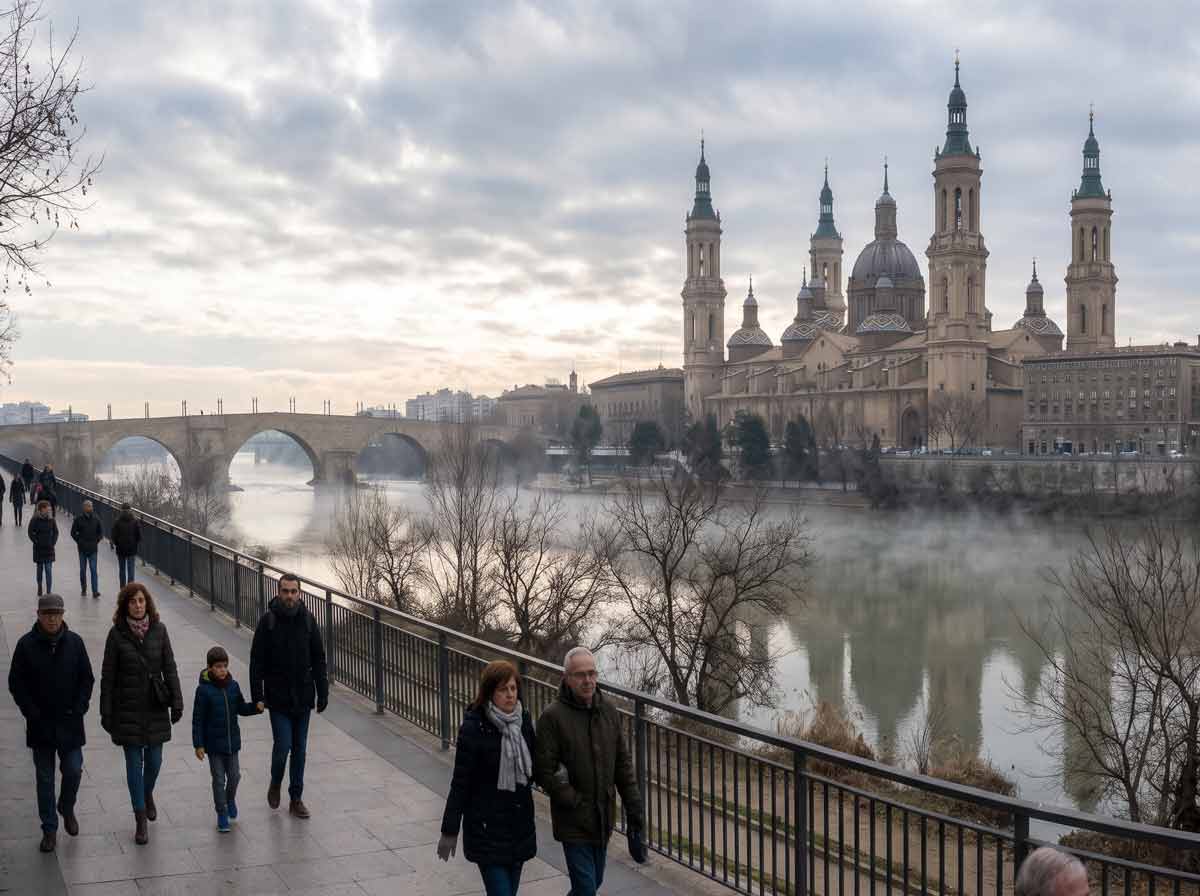
Spend your first morning walking through two thousand years of history in the compact old quarter, from the riverside Basílica del Pilar and the Mudéjar brickwork of La Seo Cathedral to the Roman theater ruins and the 11th-century Islamic palace of La Aljafería.
Late morning is ideal for browsing the historic Central Market (Mercado Central), where stalls overflow with winter vegetables, cheeses, and cured meats.
In the evening, join a guided food walk through the narrow lanes of El Tubo to experience Zaragoza’s traditional tapas bars and local wines with expert context.
Day 2: Explore Cariñena Wine Country
Head 45 minutes south of Zaragoza into the historic appellation of Cariñena, one of Spain’s oldest wine territories. Known for its stony soils and old-vine Garnacha, the region feels peaceful in winter while the vineyards rest.
Depending on seasonal schedules and prior reservations, spend the morning visiting one or two contrasting cellars—such as a family-run boutique estate and a historic winery with underground caves—where winemakers have time for unhurried tastings and conversation.
Pair the wines with a traditional lunch featuring roast local lamb (Ternasco de Aragón) before returning to Zaragoza for the night or continuing along your chosen route.
Day 3: Black Truffle and Wine Experiences
Dedicate day three to one of Aragón’s signature winter traditions by traveling roughly an hour west toward Mount Moncayo and Campo de Borja.
Between December and early March, these cold upland oak estates are at the center of the black winter truffle (Tuber melanosporum) harvest.
Spend the morning in the countryside alongside a local truffle farmer and their trained dogs to see how ripe truffles are located underground by scent.
Afterward, sit down to a seasonal lunch where fresh black truffle is shaved over traditional dishes.
If afternoon schedules and daylight allow, add a cellar visit and Garnacha tasting in Campo de Borja before returning to Zaragoza.
Day 4: Olive Oil, Local History and Belchite
A 45-minute drive southeast of Zaragoza connects two memorable facets of Aragonese heritage: olive oil culture and contemporary history.
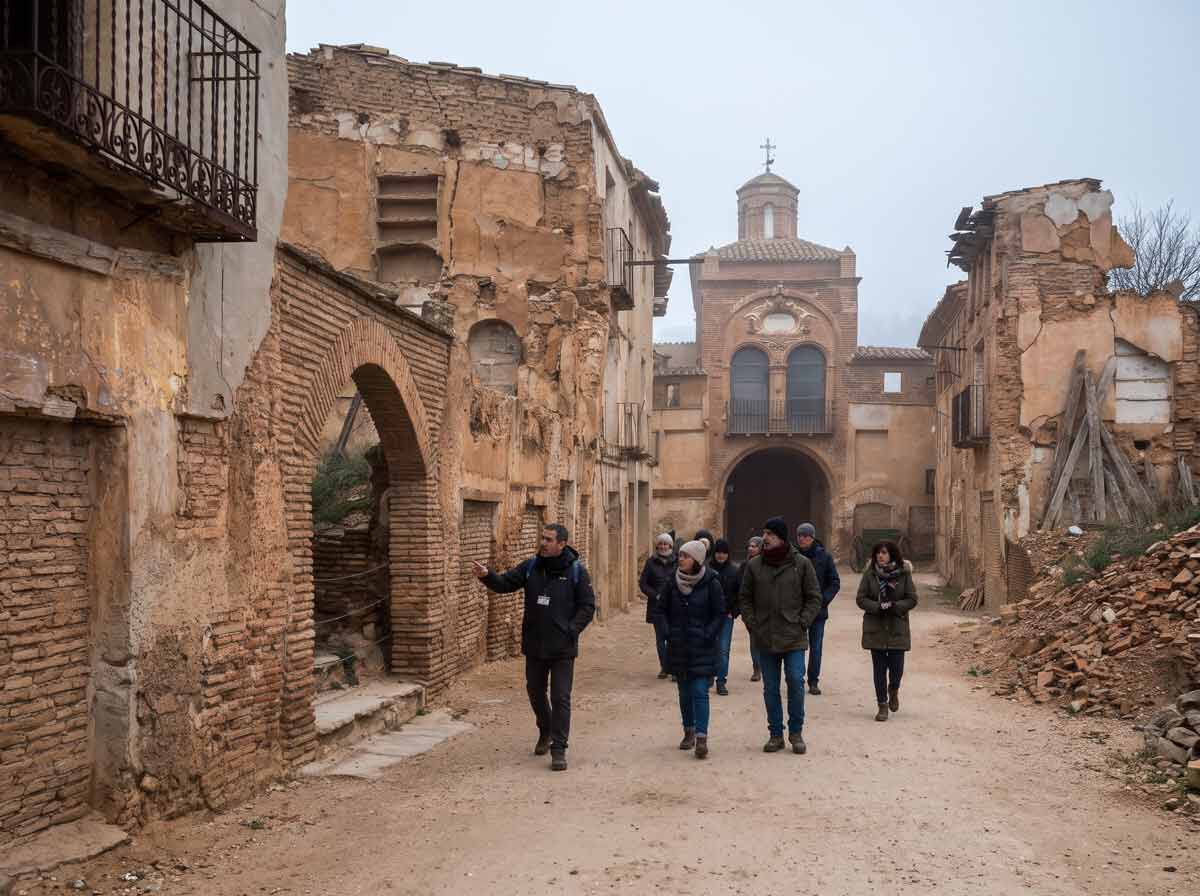
Start the morning among century-old Empeltre olive groves in the Campo de Belchite area and visit a traditional olive oil mill (almazara) to learn how extra virgin olive oil is cold-extracted and tasted.
If included in your program, pair the mill visit with a guided walking tour through the Old Town of Belchite (Pueblo Viejo), whose preserved Civil War ruins offer a moving historical perspective.
Because both working mills and Belchite’s gated historic site operate by appointment, booking these activities in advance is essential.
Day 5: Medieval Aragón — Loarre, Alquézar or Another Cultural Route
With winter sunsets arriving before 6:00 PM, smart planning on day five means choosing one focused cultural direction rather than trying to cover multiple distant towns in a single day.
Adjust your choice to driving distances and personal interests:
- Option A — Loarre Castle (1 hour 15 minutes north): Explore Europe’s best-preserved 11th-century Romanesque fortress overlooking the Huesca plains, paired with nearby medieval heritage stops and a countryside lunch.
- Option B — Alquézar and Somontano (1 hour 30 minutes northeast): Walk the medieval stepped lanes and collegiate church of Alquézar in the Sierra de Guara foothills, followed by an afternoon winery tasting in Somontano.
Days 6–7: An Optional Extension into the Aragonese Pyrenees
With two extra days, extend your private travel Spain route north into the Aragonese Pyrenees.
Rather than planning high-mountain treks—which can never be guaranteed in winter due to snow and road conditions — build a flexible cultural and gastronomic program around accessible valley towns.
Use historic Jaca as a base to visit its 11th-century Romanesque cathedral and citadel, explore the cliffside Monastery of San Juan de la Peña, or visit stone villages like Aínsa and Ansó.
Adapting each day’s route to the local weather forecast ensures a safe, rewarding mountain finale centered on heritage and fireplace dining.
Want to explore Aragón in winter at your own pace? Discover how Rutica 41 can tailor this journey to your travel dates and interests.
Why Consider a Private Tour for Your Winter Trip to Spain?
While independent travel is straightforward when hopping between major capitals by high-speed train, exploring wine country, rural estates, and mountain towns between December and February comes with seasonal nuances.
Considering private tours Spain—or combining them with curated local departures—helps turn winter’s logistical quirks into a smoother, more rewarding journey.
Making the Most of Shorter Winter Days
With sunset arriving around 5:45 PM in mid-winter, daylight is your most valuable resource.
Organizing transfers and sightseeing around available daylight hours ensures you experience medieval villages, hilltop fortresses, and scenic viewpoints at their best, saving indoor cellar tastings, market visits, or museums for the late afternoon.
Prioritizing activities and coordinating direct transport reduces unproductive downtime between stops, while giving you the flexibility to adjust the day’s program if morning valley fog or mountain weather shifts unexpectedly.
Planning Winery Visits, Restaurants and Seasonal Experiences
During the colder months, many family-run wineries, traditional olive oil mills, and countryside restaurants reduce their regular walk-in hours or welcome visitors strictly by prior appointment.
Seasonal activities such as black truffle foraging also require direct coordination with working farmers, truffle dogs, and local chefs. Building a custom winter itinerary Spain ensures that producers and dining tables are confirmed ahead of time and adapted to your group’s dietary needs, wine preferences, and cultural interests.
Prefer to explore Spain at your own pace?
Private travel gives you more flexibility with schedules, interests and the places you want to experience along the way. Explore private tours of Spain →
Private and Small-Group Travel: Choosing the Right Format
When exploring guided experiences in Aragón, keep in mind that not all Rutica 41 activities are private by default.
Depending on the route, travelers can join scheduled small-group tours—which bring together a limited number of guests on a set itinerary—or request exclusive private travel Spain arrangements.
Open small-group departures work well for solo travelers or couples looking for a ready-made day trip, whereas booking a closed or tailor-made program makes the most sense when traveling with family or friends, seeking flexible schedules, or linking several destinations at your own pace.
The Value of a Local Guide in Aragón
Beyond driving and reservations, exploring with a local specialist changes how you connect with the territory.
A guide based in Aragón knows realistic winter driving distances, rural opening hours, and which historic taverns or artisan producers fit your travel style.
Throughout the journey, they provide cultural and gastronomic context, adapt the route to your specific interests, and support your day-to-day organization according to the service contracted.
Common Mistakes When Planning a Winter Trip to Spain
When planning a winter trip to Spain, avoiding a few frequent missteps makes the difference between a rushed schedule and an effortless journey.
Keeping these practical winter travel tips Spain in mind will help you set realistic expectations before you go.
Assuming All of Spain Has the Same Winter Weather
Packing for a single national climate is one of the most common oversights. Within the same week, mild Mediterranean coastal afternoons, spring-like warmth in the Canary Islands, dry frosts across the inland plateau, and snow in the Pyrenees require very different layers.
Always check the local forecast and elevation for each specific destination rather than relying on general countrywide averages.
Trying to Follow a Summer Itinerary in Winter
Fast-paced summer routes built around late-evening daylight and long coastal drives rarely work between December and February.
In winter, sunset arrives between 5:45 PM and 6:30 PM, many monuments and historic sites switch to shorter off-season opening hours, and outdoor activities depend much more on daily weather.
Pacing your sightseeing around daylight hours keeps every day comfortable.
Underestimating Travel Times and Road Conditions
While Spain’s high-speed rail corridors and main highways are fast and reliable, rural transfers take longer than a quick map check might suggest.
Secondary roads winding through wine country, medieval hilltop villages, or mountain valleys require unhurried driving—especially if morning valley fog, frost, or high-altitude snow appears.
Leaving buffer time between stops and keeping an indoor cultural alternative in mind is always wise.
Leaving Seasonal Food and Wine Experiences Until the Last Minute
Assuming you can walk into any family-run winery, olive oil mill, or rural restaurant without prior notice often leads to closed doors during the low season.
Many artisan producers operate strictly by appointment in winter, and seasonal activities like black truffle foraging have limited availability.
Coordinating winery visits, producer tours, and lunch reservations ahead of time ensures your countryside days run smoothly.
Frequently Asked Questions About Spain in Winter
Is Spain Worth Visiting in Winter?
Yes, Spain is well worth visiting in winter if your focus is cultural sightseeing, historic architecture, and seasonal gastronomy rather than beach weather.
Between December and February, major museums are calmer, monumental cities are comfortable to walk without summer heat, and regional tables feature hearty dishes, winter wines, and fresh local produce.
What Are the Coldest Months in Spain?
January is typically the coldest month across Spain, closely followed by December and February.
How cold it feels varies significantly by region and elevation: inland plateaus and mountain valleys regularly record frosty nights near or below 32°F (0°C), whereas the southern Mediterranean coast and the Canary Islands remain noticeably milder.
Where Is the Warmest Place in Spain During Winter?
The Canary Islands are the warmest place in Spain during winter, offering subtropical daytime highs around 70°F–73°F (21°C–23°C) suitable for sunbathing and swimming.
On the mainland, the mildest daytime temperatures are found along the southern Mediterranean coast—such as Málaga and Alicante—and in lowland Andalusia, though evenings still require a warm jacket.
Does Spain Get Snow in Winter?
Yes, Spain gets regular winter snow, though it is concentrated primarily in high-altitude mountain ranges such as the Pyrenees, the Sierra Nevada, the Picos de Europa, and the Central System.
Most coastal cities and southern hubs remain snow-free, while higher inland cities like Teruel, Ávila, or Segovia see occasional snowfall.
Is December or January Better for Visiting Spain?
Choosing between December and January depends on your destination and travel priorities.
December—extending through Three Kings’ Day on January 6—is ideal if you enjoy festive lights, Christmas markets, and lively city streets. Mid-to-late January is better suited for quiet museum visits, lower hotel rates, and unhurried countryside food and wine routes.
Is Barcelona Worth Visiting in Winter?
Barcelona is a rewarding winter city break for travelers drawn to modernist architecture, neighborhood food markets, and cultural exhibitions without peak summer humidity.
Expect moderate coastal daytime temperatures around 57°F–61°F (14°C–16°C). Even in the low season, booking timed-entry tickets in advance for major sights like the Sagrada Família remains essential.
Is Madrid Worth Visiting in Winter?
Madrid shines in winter thanks to its world-class art museums, royal heritage, and comforting tavern cuisine.
Because of the capital’s high inland elevation, winter days are often bright and crisp while mornings and nights are cold. It also works well as a rail hub for day trips to Toledo, Segovia, or onward travel to Zaragoza.
Is Zaragoza Worth Visiting in Winter?
Zaragoza is an appealing winter stop that brings together Roman, Islamic, and Mudéjar heritage with a lively local tapas scene around the Central Market and El Tubo. Located midway between Madrid and Barcelona, it serves as a practical base for exploring Aragón’s seasonal highlights, including black winter truffle estates, Garnacha wineries, and medieval towns.
Can You Visit Wineries in Spain During Winter?
Yes, many wineries across Spain welcome visitors during the winter months, offering quieter cellar tours and unhurried tastings.
Because availability depends on each estate and some family-run wineries reduce their off-season walk-in hours, checking schedules and booking guided visits in advance is always recommended.
Plan Your Winter Journey Through Aragón with Rutica 41
Traveling through Spain in winter is not a single uniform experience—it changes completely depending on the region you choose and the pace at which you explore.
Beyond the country’s best-known capitals and coastal resorts, Aragón offers a rewarding path for travelers who prioritize historic heritage, seasonal gastronomy, and face-to-face encounters with local wine, olive oil, and black truffle producers.
As a local travel agency based in Aragón, Rutica 41 organizes guided cultural and culinary experiences as well as private and custom-designed routes adapted to the winter calendar.
Whether you want to join a half-day food and wine excursion from Zaragoza or shape a multi-day itinerary across wine country, medieval villages, and the Pyrenees, our team can prepare a proposal tailored to your travel dates and interests.